
Reactive dog walking
Reactive Dog Walker in Sheffield: Stress-Free Solo Walks
Private, stress-aware walks for reactive and anxious dogs in Sheffield, with no mixed packs and no pressure to keep up with a group.
Fully insured
DBS checked
Canine First Aid
Reiki Master
NarpsUK member
What is a reactive dog walker?
Walking a reactive dog can be stressful. You spend the whole walk scanning for other dogs, cyclists, or triggers. I’m Derek Collinson, and I specialise in strict one-to-one solo walks for nervous, anxious, and reactive dogs in Sheffield. No pack walks, no unfamiliar dogs—just calm, predictable exercise tailored to your dog’s needs.
Why Choose K9 Time for Your Reactive Dog?
• Calm, private walks with no pack pressure and no unfamiliar dogs.
• GPS tracking, photos, short videos and a clear walk report after every session.
• Local coverage across much of South and South West Sheffield.
• Flexible home visits available for pets that need companionship or garden breaks.
• £26 for a one-hour walk, £20 for 30 minutes.
• I provide calm, one-to-one walks for reactive dogs across South West Sheffield (S7, S8, S10, S11, S17), including Ecclesall, Dore, and Fulwood.
Providing professional Sheffield dog walking means more than just exercise; it is about building trust and understanding the unique needs of every animal.
Because I never use mixed pack walks, I have become a trusted Sheffield dog walker for owners of anxious and nervous dogs.
A reactive dog walker is a trained pet professional who handles dogs that respond intensely to triggers such as other dogs, unfamiliar people or passing traffic.
My method combines positive reinforcement, decompression protocols and careful distance management to keep your dog under their emotional threshold.
As a Certified Usui Reiki Master, I bring a grounded, unhurried energy to every session. That calm handling helps reactive dogs settle, lower their heart rate and actually enjoy being outside.
What is Dog Reactivity?
Reactivity is an outsized emotional response to everyday situations, usually rooted in fear or frustration rather than aggression. A dog might bark, lunge or freeze when they spot another dog across the road.
At K9 Time, I manage this with practical decompression work: creating distance from triggers, selecting quiet routes across South West Sheffield, and rewarding calm behaviour. The aim is simple, keeping your dog below threshold so they can genuinely relax on the lead.
The K9 Time Difference: Reiki & Solo Walks
Twenty-five years of caring for Sheffield dogs has taught me that exercise alone is not enough for an anxious dog. Emotional balance matters just as much.
I hold a Third Degree Master Practitioner qualification in the Usui system of Reiki healing. Dogs read the person holding the lead instantly, so a distracted or tense walker creates a tense dog.
Staying centred helps your dog feel safer, calmer and less reactive. This approach is central to the high-quality dog walking service and pet services I provide to local owners.
Solo walking also gives me route freedom. Whether that means skipping the main paths at Endcliffe Park or finding a quiet corner of Bingham Park, every walk is shaped around your dog.
My Approach to Walking Reactive Dogs:
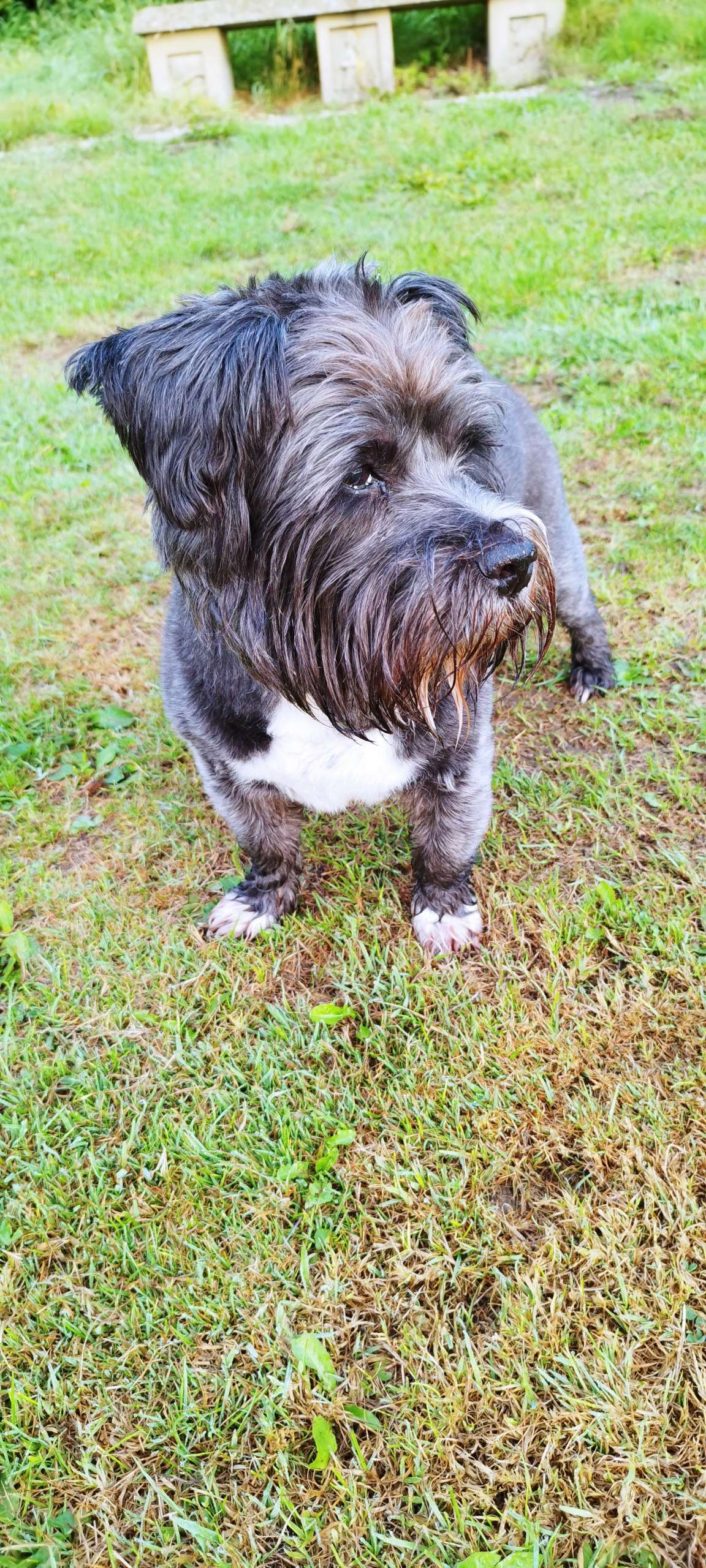
My premium dog walking service is built entirely around the individual dog in front of me, not a schedule or a group. Every walk follows four consistent principles to ensure safety and enjoyment.
• Reading body language: I watch for early stress signals such as lip licking, whale eye or a stiffened body, then adjust the route before your dog tips over threshold.
• Positive reinforcement: Calm praise and reward-based encouragement build confidence gradually, without pressure or correction.
• Distance and environment management: Known triggers like loose dogs, cyclists or heavy traffic are avoided by changing direction early and creating space.
• Calming Reiki energy: A steady, grounded presence on the other end of the lead helps anxious dogs settle far more quickly.
Why mixed pack walks fail reactive dogs:
• Crowded transport: Vans are unpredictable and stressful before the walk even starts.
• Forced contact: Mixed energy levels and unfamiliar animals cause immediate tension.
• There is no room to change direction or create distance when a trigger appears.
• Overwhelmed dogs cannot decompress, so reactivity often escalates into defensive behaviour.
• One bad encounter can undo weeks of patient training at home.
As a Sheffield dog walker, I never mix dogs from different households. I also provide standard dog walks and pet care for confident dogs of all breeds.
Calming Presence for Nervous and Reactive Dogs
Finding the right support for a nervous dog can be tough. Unlike many Sheffield dog walkers who rely on stressful mixed packs, I provide exclusive, GPS-tracked solo walks tailored entirely to your dog’s emotional and physical needs.
When a dog is worried, watchful or quick to react, I keep everything simple and predictable. We work at your dog’s pace, with no rushing, crowding or pushing past their comfort zone.
That grounded Reiki-informed energy carries into every outing. Dogs that are sensitive on the lead often settle more easily, feel safer outdoors and cope better with the sights and sounds that normally set them off.
Routine matters enormously here. A familiar handler, a familiar rhythm and a familiar route can transform how your dog experiences the world outside your front door.
Why My Private Walks Work So Well
Unlike large agencies or standard Sheffield dog walkers, I never use mixed pack walks, ensuring your reactive dog gets my calm, undivided attention.
Plenty of Sheffield dog walkers prefer group sessions, but mixed pack walks introduce tension that reactive dogs simply do not need.
One-to-one dog walking lets me focus completely on your dog’s body language, triggers and comfort level rather than managing a crowd.
You receive GPS tracking through a free app, plus photos, short video clips and a walk report. That transparency means you can see your dog was safe, settled and properly looked after.
My service suits:
• Nervous dogs needing a gentle outing
• Reactive dogs that struggle around others
• Puppies building confidence outdoors
• Older dogs who prefer a slower rhythm
For pets that are not up to a full outing, I offer home visits to ensure they receive care, attention and a garden break while you are out.
Book a free, no-obligation 30-minute meet and greet so I can meet your dog in their own space and talk through their specific triggers.
Frequently Asked Questions
How can I be sure that the you have arrived on time to take my dog out?
You will receive a notification on your mobile phone alerting you you that I have arrived at your home.
What do dog walkers usually charge per hour in Sheffield?
Rates across Sheffield vary with experience and walk type. My pricing is £26 for a one-hour walk and £20 for a 30-minute walk, reflecting the private, one-to-one nature of every session.
Do you offer solo walks or group dog walks, and what is the difference?
Solo walks only. Your dog is never placed with unfamiliar dogs from other households, which removes a huge source of pressure and triggers for anxious or reactive dogs.
Which parts of Sheffield do you cover for pick-up and drop-off?
I cover S7, S8, S10, S11 and S17, including Abbeydale, Ecclesall, Millhouses and Dore. If you sit close to one of those boundaries, message me and I will check your address.
Are you insured, DBS checked, and trained in canine first aid?
Yes to all three. I am fully insured, DBS checked and canine first aid trained.
I am also a member of NarpsUK, the National Association of Pet Sitters and Dog Walkers, which means I follow a strict code of conduct and maintain recognised professional standards.
That registration gives you an accountable, welfare-focused professional, backed by more than 25 years of hands-on pet care and pet sitting experience.
How do I book regular dog walking, and what is your cancellation policy?
Every booking starts with a free, no-obligation 30-minute meet and greet at your home. These initial home visits are essential to discuss your dog’s needs, agree a regular routine and go through the full terms.
Cancellations are straightforward: let me know at least 24 hours before a scheduled walk and there is no charge. Cancellations inside 24 hours may be charged at the full walk rate, since the slot is held exclusively for your dog. Holidays and longer breaks can be paused with advance notice.
Where can I read local reviews and recommendations for dog walkers in my area?
Yell, FreeIndex and Trustindex all carry local feedback. Asking other dog owners in your area and comparing several walkers before committing is always worthwhile.
Helpful Resources
Not sure what to look for? My guide on choosing the right dog walker for a reactive dog explains why solo walks and GPS tracking matter when your dog needs a calm, dependable routine.
Will you take on a dog that barks, lunges, or reacts on lead?
Yes. I regularly work with dogs who find walks difficult, including those that bark or lunge at the sight of another dog. The dog walking service is tailored to what your dog can genuinely manage on the day.
How do I choose a safe, experienced reactive dog walker Sheffield families can rely on?
Look for solo walks, proven understanding of dog body language and someone who listens properly to your concerns. Insurance, DBS checks, canine first aid training and clear post-walk updates should all be non-negotiable.
What methods do reactive dog walkers use to manage triggers on walks?
Distance is the main tool, alongside calm handling, quieter routes and early direction changes. Shorter sessions, predictable routines and honest communication with you also help your dog feel secure.
Can you do solo walks for reactive dogs rather than group walks?
One-to-one walks are all I offer. Your dog never has to cope with unfamiliar dogs, which is usually the safest option for nervous or reactive behaviour.
Where are good quiet places to walk a reactive dog around Sheffield?
Quieter parks, calm residential streets and less-travelled green spaces work best. Across S7, S11 and S17 I choose routes with fewer surprises so your dog can sniff and relax without pressure.
Do you offer scentwork or enrichment sessions as an alternative to busy walks?
Yes. Outings can be adapted to a slower pace with more sniffing time, and scentwork-based enrichment provides real mental stimulation when a full walk is not the right fit.
How do I find a suitable dog walker for a reactive dog in Sheffield?
Search specifically for walkers advertising solo or one-to-one services rather than general Sheffield dog walkers running group sessions. Ask about their experience with reactive dogs, their trigger management approach and always arrange a meet and greet first.
What does a reactive dog walker typically charge in Sheffield?
Specialist solo walks cost more than group walks because only one dog is handled at a time. My rate is £26 per hour and £20 for a half-hour walk across S7, S8, S10, S11 and S17.
Are reactive dog walkers able to work with dogs that bark, lunge or pull on walks?
Yes, that is precisely the work. An experienced reactive walker expects these behaviours and manages them with distance, calm handling and reward-based encouragement rather than confrontation.
Can a reactive dog’s behaviour be improved through regular specialist walks?
Consistent, low-stress walks with a calm handler often help a dog feel safer outdoors over time. Walking is not a replacement for behaviour work with a qualified behaviourist, but it supports and protects that progress.
Do reactive dog walkers provide solo walks or small-group walks?
Some offer small groups, though genuine specialists tend to stick to strict one-to-one sessions. K9 Time never mixes dogs from different households, so your dog walks alone every time.
What qualifications or experience should I look for in a reactive dog walker?
Full insurance, a current DBS check, canine first aid training and membership of a body such as NarpsUK are the baseline. Years of practical handling experience and a clear, reward-based philosophy matter just as much.
Led by Derek Collinson, K9 Time is a specialist reactive dog walker in Sheffield offering strict one-to-one solo walks for nervous, anxious and reactive dogs.
Why Choose K9 Time's Private Dog Walking?
Your dog gets a walk tailored to their energy level, behaviour and needs
rather than being one of many.
Stress-Free
I walk dogs one at a time (or up to 3 dogs from the same household), never as part of a mixed pack, so your dog gets fully personalised attention and exercise tailored to their needs.
25+ Years Experience
I have over 25 years’ experience, am fully insured, DBS checked and trained in dog first aid, giving you peace of mind about your dog’s safety and wellbeing .
Tracking and Updates
You receive GPS-tracked routes, walk reports, photos and videos via the free mobile app so you can see where your dog has been and how they did on their walk .
Typically one or two walks per day either 1 hour or half an hour or a mixture of each at times to suit you.
Each visit includes walks, playtime, feeding, fresh water, and lots of cuddles and attention.
Receive real-time updates, photos, and video clips after every walk via our app.
• Individual Care (No Packs)
• Visit Report+GPS Tracking
• Video Clips & Photos
• Feeding & Fresh Water
• Medication Administration
• Certified Reiki Master
• CPD Accredited First Aider
• DBS Checked
• Free App
• Litter/Waste Cleaning
• Home Security Checks
• Fully Insured
or £20 per half hour
Additional Dogs (Same Owner)
50% off (max 2)
Weekends / Out of Hours
+50%
Public Holidays
+100%
I always start with a free, no obligation meet and greet to get to know
you and your dog
Related K9 Time services and local information
Book a free 30-minute meet and greet
No obligation. Derek will come to your home, meet your dog or cat and talk through exactly what they need.