
Why Your Dog Needs to Sniff: The Hidden Benefits of a ‘Sniffari’ Walk
Most dog owners think of a walk as a chance to cover distance, burn off energy, and let their dog go to the toilet. I used to see it that way too, early on. But after more than 25 years of caring for dogs in Sheffield, I’ve learned that the most valuable part of any walk often happens when your dog stops moving altogether. When a dog puts its nose to the ground and breathes in the world around it, something powerful is happening; it’s processing information, decompressing, and finding calm in a way that physical exercise alone simply cannot match.
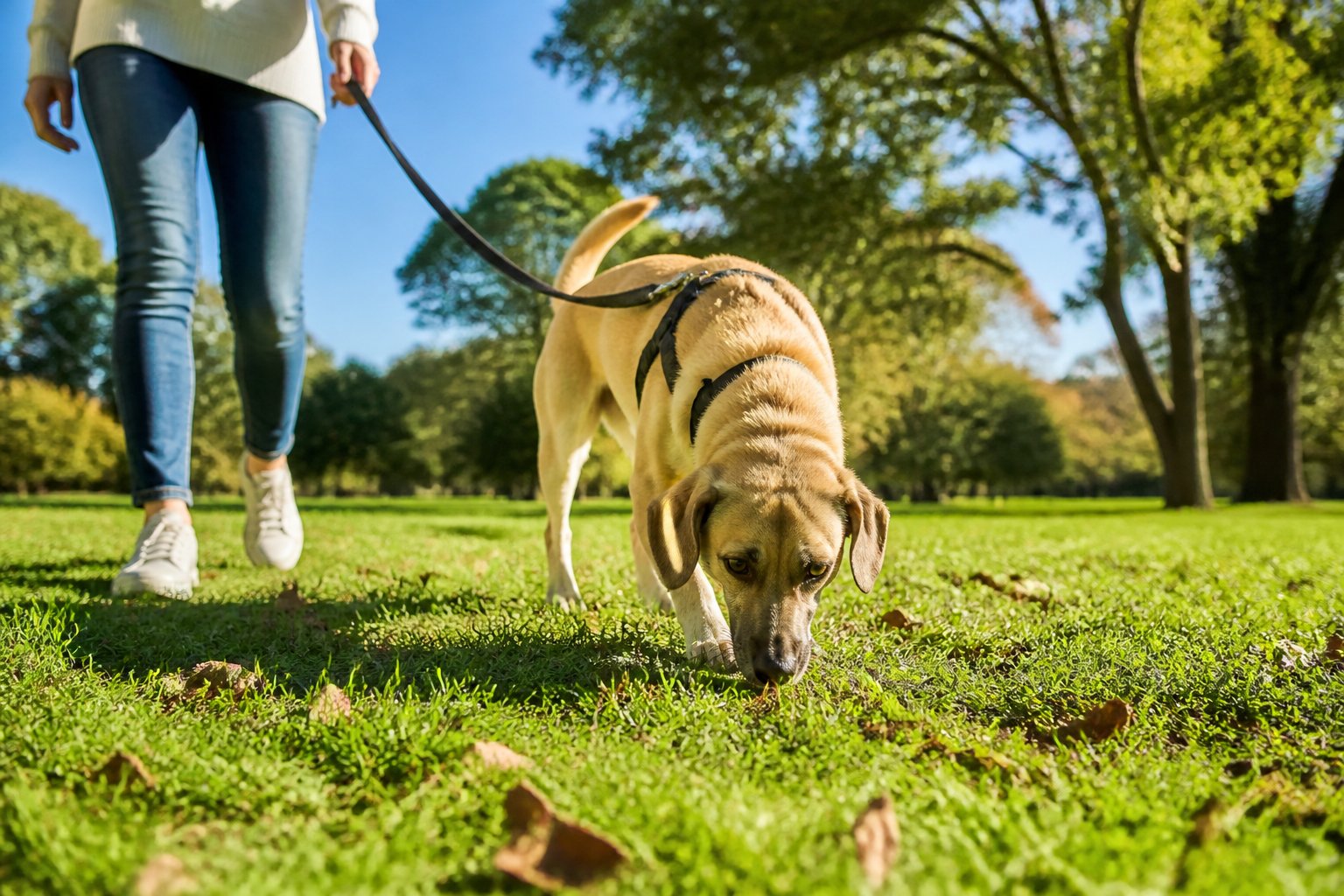
A ‘sniffari‘ is a walk where the dog leads with its nose. Instead of marching from A to B, you slow down, let the lead go loose, and allow your dog to investigate every lamp post, leaf, and blade of grass it wants to. The results can be remarkable. Dogs come home calmer, more settled, and genuinely tired in a healthy, satisfied way. I see this every single day through my one-to-one dog walking service at K9 Time, where each dog gets the time and space to sniff without being rushed along by a pack. If you’re curious about whether this approach might suit your dog, I’d love to have a chat or arrange a free, no-obligation meet and greet.
Key Takeaways
-
Sniffing provides mental stimulation that can tire and settle a dog more effectively than fast-paced physical exercise alone.
-
One-to-one walks give dogs the freedom to sniff at their own pace, which is especially helpful for anxious or reactive dogs.
-
Simple changes at home and on walks can dramatically improve your dog’s emotional wellbeing through scent enrichment.
Why Sniffing Matters More Than Many Owners Realise
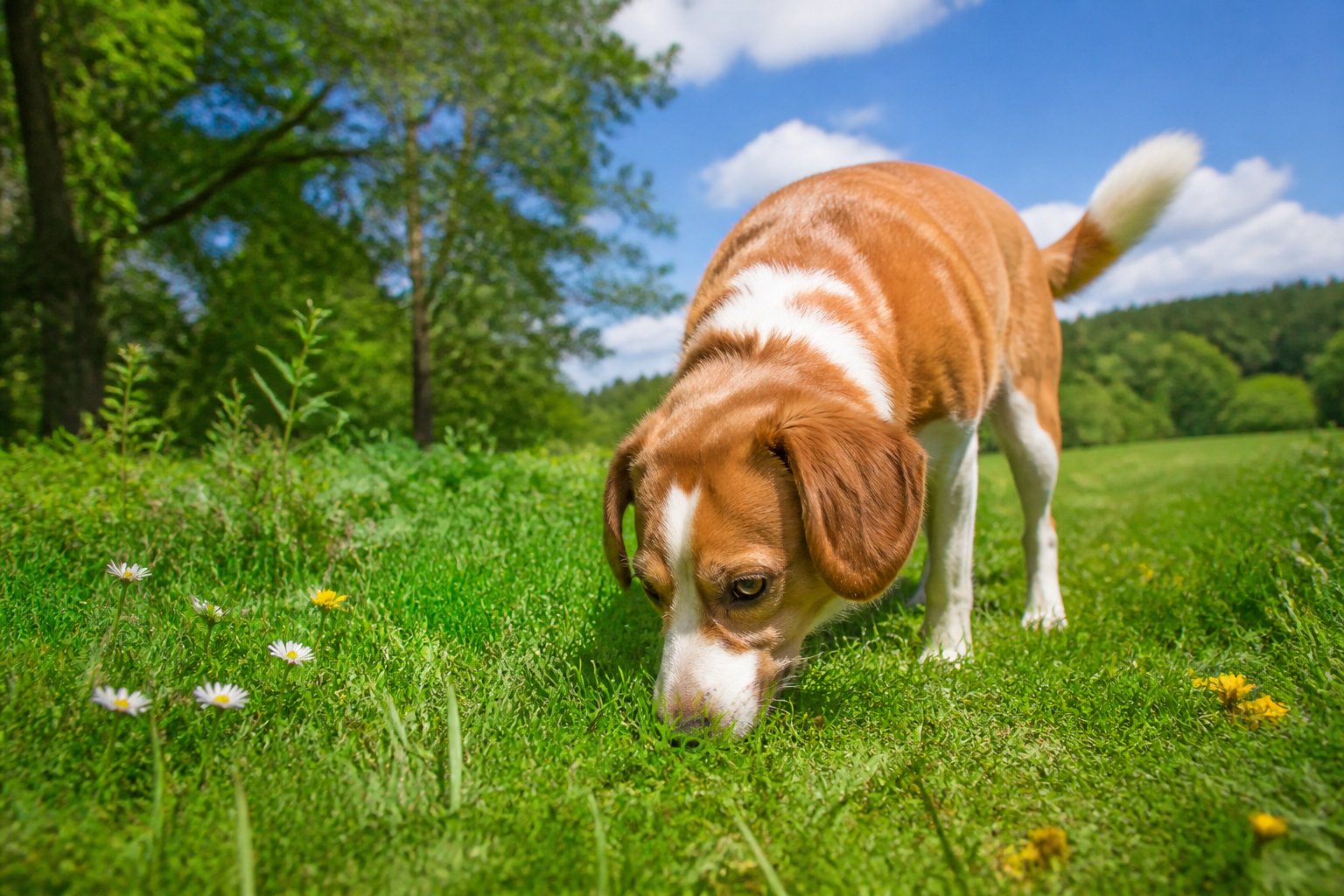
Dogs have around 300 million scent receptors compared to our six million, and they devote roughly 40 times more brain power to processing smell than we do. A scent walk taps into this incredible natural ability, letting a dog gather information about its surroundings in a way that feels deeply satisfying. Scent walks are not about covering ground; they’re about quality of experience.
How Dogs Experience The World Through Scent
I often explain it to owners this way: imagine walking through an art gallery with a blindfold on and being told to hurry up. That’s what it can feel like for a dog when we rush them past every interesting smell. Dogs read the world through their noses. A single patch of grass can tell them which dogs have passed by, whether a cat was nearby, and even what time of day those animals were there.
Every sniff gives your dog context. It helps them feel oriented and secure. When I walk a dog on a one-to-one basis, I watch for the moments they lock onto a scent. Their body language changes, their breathing deepens, and they become completely absorbed. That’s not a dog wasting time. That’s a dog doing exactly what it was built to do.
Why A Slow Walk Can Be More Satisfying Than A Fast One
Many owners feel guilty if they haven’t walked their dog far enough. But distance is a human measure, not a canine one. Research has shown that sniffing can be just as effective at using up energy as physical exercise. A slow, nose-led walk where the dog investigates freely can leave them more content than a brisk 5-kilometre march.
I’ve seen this first-hand with dogs of all ages and breeds. Older dogs especially thrive on slower outings where they can plod and sniff at their own pace. Puppies benefit too, because a short scent walk gives their developing brains plenty to work with without over-tiring their growing bodies.
How Sniffing Helps Dogs Feel Calmer And More Settled
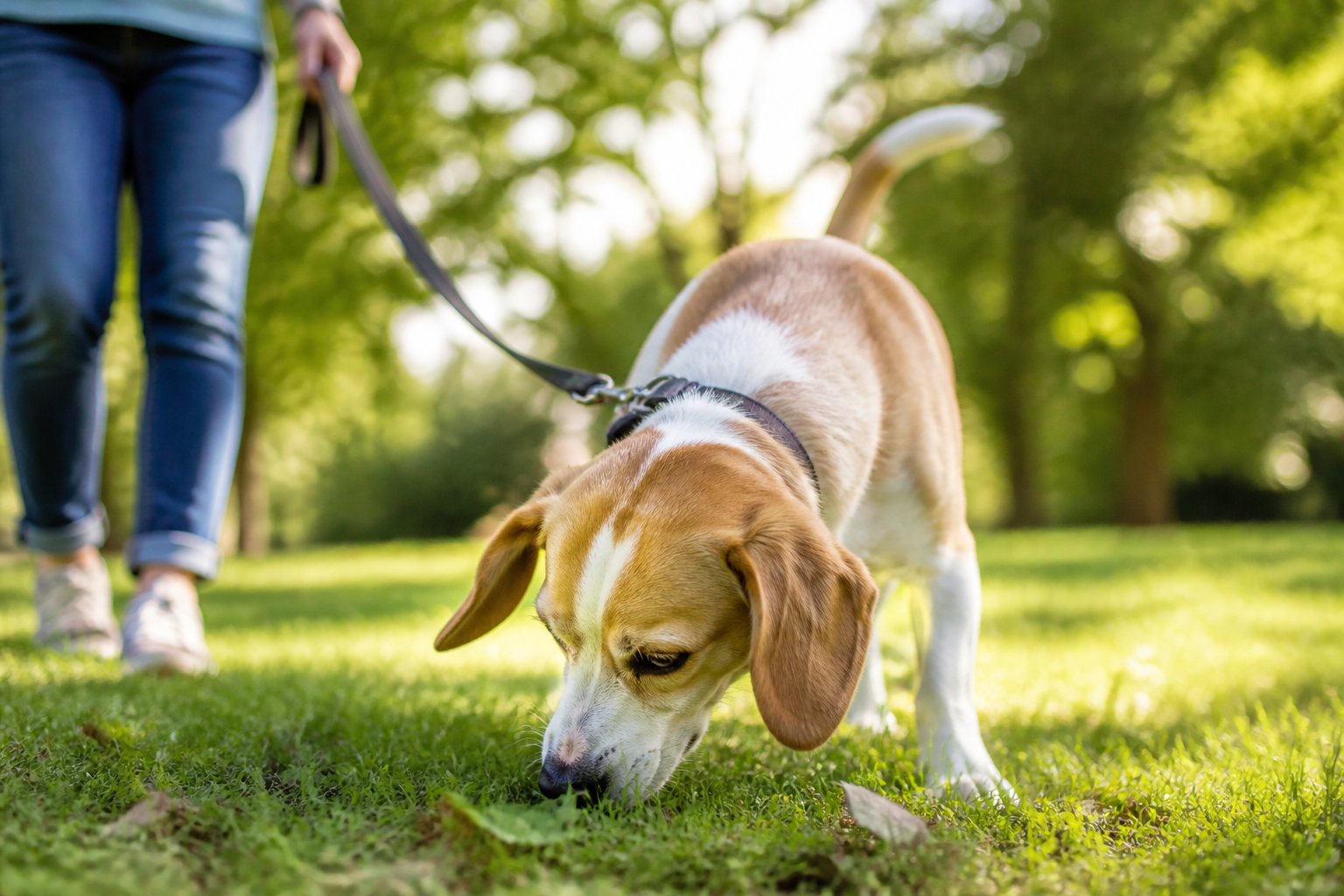
A sniff walk does more than just entertain a dog. It actively supports their emotional health by lowering stress, building confidence, and giving them a sense of control. A sniffari is one of the simplest and most effective tools I use to help dogs feel calmer and more balanced, and it costs nothing extra.
Mental Enrichment That Gently Tires Dogs Out
When a dog processes scent, its brain is working hard. All those millions of receptors are sending signals, and the brain is sorting, categorising, and storing the information. This kind of mental effort is genuinely tiring in a positive way. Think of it like the difference between sitting through a long exam and going for a jog. Both leave you tired, but in very different ways.
I regularly see dogs come home from a sniff-focused walk and settle straight down for a nap. They’re not physically exhausted. They’re mentally satisfied. For dogs that struggle with destructive behaviour or restlessness at home, adding more sniffing opportunities on walks can make a noticeable difference.
Why Sniffing Can Support Anxious And Reactive Dogs
This is something I feel strongly about, partly because of my background in Reiki and energy work with animals. Anxious and reactive dogs are often in a heightened state of alertness. Their nervous system is on edge. Sniffing has been shown to lower a dog’s heart rate, which helps shift them out of that fight-or-flight state.
On a sniff walk, the dog is focused on scent rather than scanning for threats. It’s a form of natural self-soothing. I’ve worked with reactive dogs in Sheffield who, over time, became noticeably calmer on walks simply because they were given permission to stop and sniff. There was no pressure, no rushing, and no other dogs crowding their space.
My calm, quiet energy during walks supports this further. I approach every dog with patience and stillness, drawing on my Reiki practice to create a relaxed atmosphere. For a nervous dog, that combination of unhurried sniffing and gentle handling can be genuinely transformative.
The Value Of Choice And Control On A Walk
One of the reasons sniff walks work so well is that they give the dog choices. The dog decides where to stop, what to investigate, and how long to spend on each scent. This sense of autonomy matters more than many people realise.
Dogs that feel they have some control over their environment tend to be less stressed and more confident. When I walk a dog one-to-one, I let them guide the pace as much as possible while keeping things safe. It’s their walk, and I’m there to support them through it.
What A Proper Sniff-Led Walk Looks Like
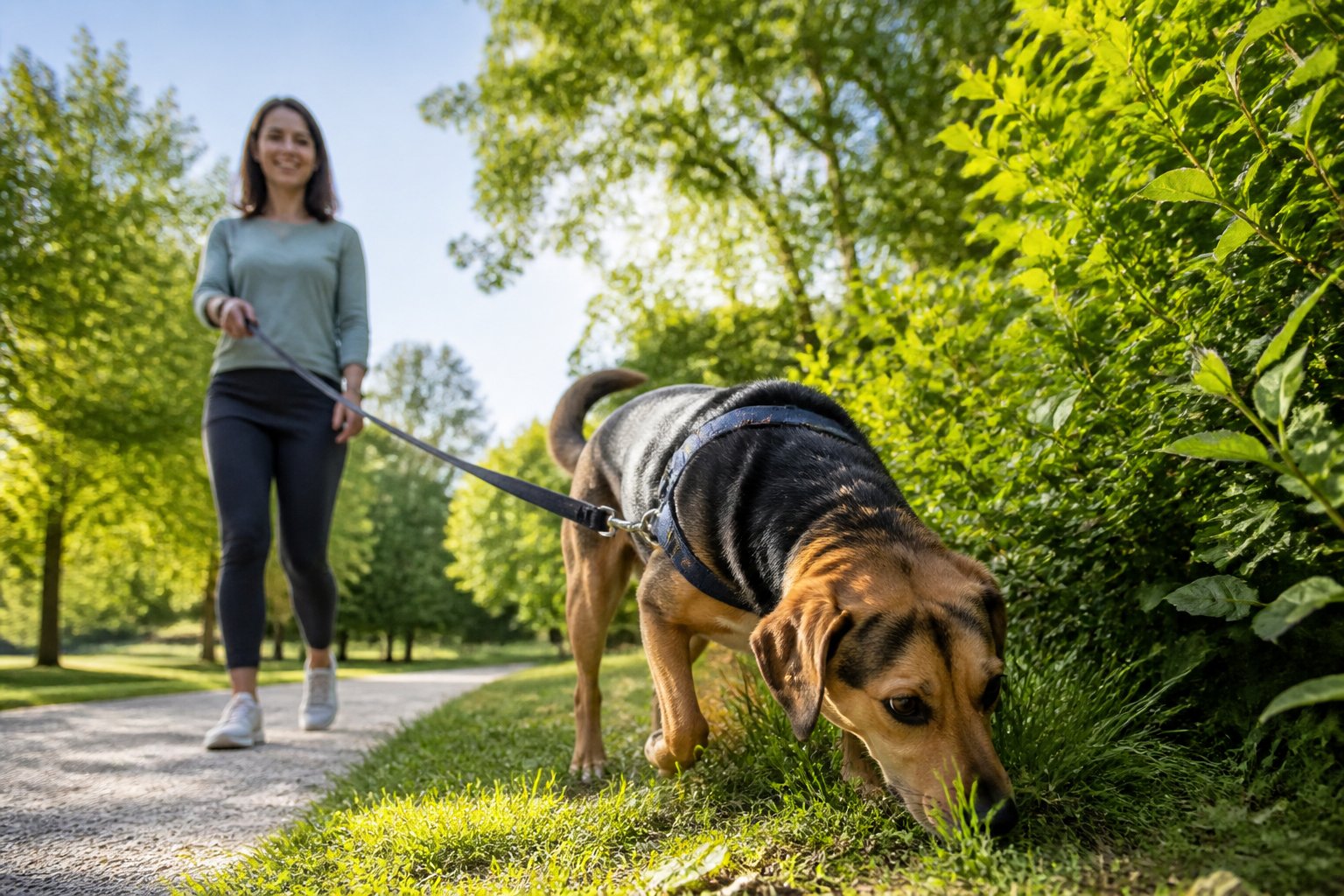
A sniff-led walk doesn’t mean chaos or a dog dragging you from bush to bush. It’s a structured, thoughtful approach where the dog’s nose takes priority over distance. The pace is slower, the lead stays loose, and the walker stays present and attentive.
Letting The Dog Set The Pace
On a sniffari, I follow the dog’s lead. If they want to spend three minutes investigating a tree stump, that’s fine. If they want to move on quickly, we move on. The key is paying attention to what the dog is telling me through their body language.
I put my phone away and stay fully engaged. I watch their tail, their ears, and the way their body shifts when they pick up something interesting. This isn’t passive walking. It requires concentration and genuine connection with the dog.
Balancing Freedom With Safe Lead Handling
Letting a dog sniff freely doesn’t mean letting them pull you wherever they want. I keep the lead relaxed but maintain gentle guidance. If we’re near a road or in a busier area, I’ll shorten the lead while still allowing pauses for sniffing.
Good lead handling is about communication. The dog should feel that the lead is soft and supportive, not tight and restrictive. A loose lead tells the dog, “You’re safe, take your time.” A tight lead sends the opposite message and can increase anxiety.
When A Shorter Walk Can Still Be Highly Effective
I offer both one-hour and 30-minute walks, and owners are sometimes surprised when I tell them that a well-structured half-hour sniff walk can leave their dog more settled than a full hour of fast-paced marching. It comes down to the quality of the experience.
For older dogs, dogs recovering from surgery, or puppies with limited stamina, a shorter walk packed with sniffing opportunities is often the perfect solution. The dog still gets fresh air, mental stimulation, and physical movement, just at a pace that suits their needs.
Why Solo Walks Suit Sniff-Focused Dogs Better Than Pack Walks
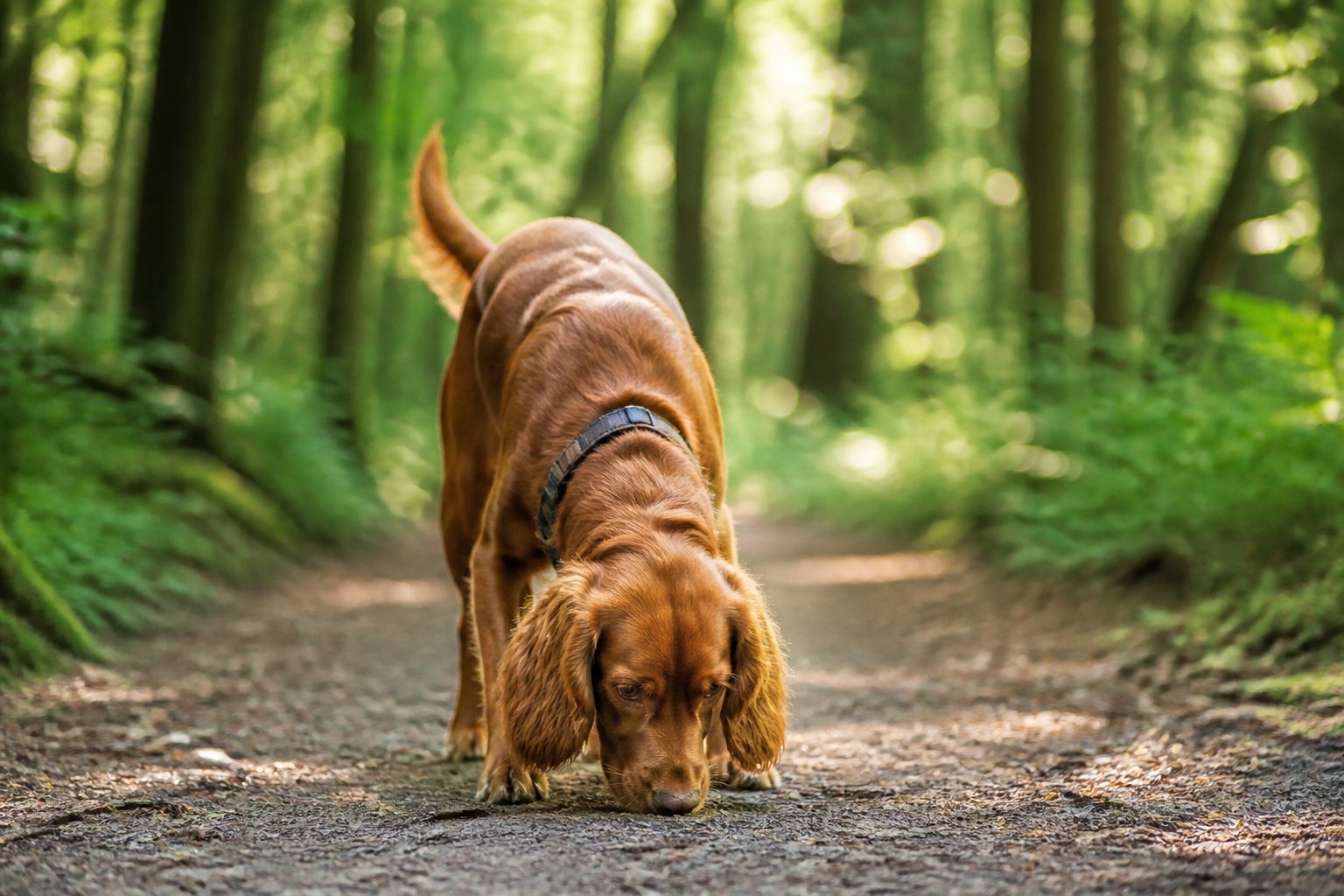
Not all dog walking services are the same, and the difference matters enormously when it comes to sniffing. In a mixed pack, dogs are often hurried along to keep the group moving. In a one-to-one setting, the dog has complete freedom to explore at its own pace.
How Group Walks Can Rush Sensitive Dogs
Pack walks have their place, but they come with compromises. The walker has to manage multiple dogs with different energy levels, temperaments, and sniffing habits. A dog that wants to linger over a fascinating scent gets pulled along because the rest of the group is moving on.
For anxious or reactive dogs, this is particularly stressful. They’re not only being denied their natural need to sniff, but they’re also dealing with the presence of unfamiliar dogs, competing for space, and matching a pace that isn’t their own. I’ve seen dogs come to me after being in pack walking arrangements looking tense and overstimulated. Within a few solo walks, the change in their demeanour is often striking.
The Benefits Of One-To-One Walks With K9 Time
At K9 Time, I only walk dogs one at a time, or up to three from the same household. This is a deliberate choice. It means every walk can be a sniffari if that’s what the dog needs. There’s no pressure to keep up, no competition for attention, and no unfamiliar dogs creating stress.
Each walk is GPS-tracked, and I send photos, videos, and a walk report through a free app so owners can see exactly what their dog got up to. It’s completely personalised care, tailored to that individual dog’s energy level, behaviour, and preferences.
Why My Approach Works Well For Dogs Who Need Calm
My walking style is naturally quiet and unhurried. I draw on my Reiki background to bring a calm, grounded energy to every outing. Dogs pick up on this very quickly. They sense that there’s no rush, no tension, and no agenda beyond giving them a good experience.
For reactive dogs, nervous rescues, or older dogs that need a gentle pace, this matters. The combination of solo walking, ample sniffing time, and calm energy creates a space where dogs can truly decompress. It’s not just a walk. It’s a reset.
Easy Ways To Add More Scent Enrichment At Home
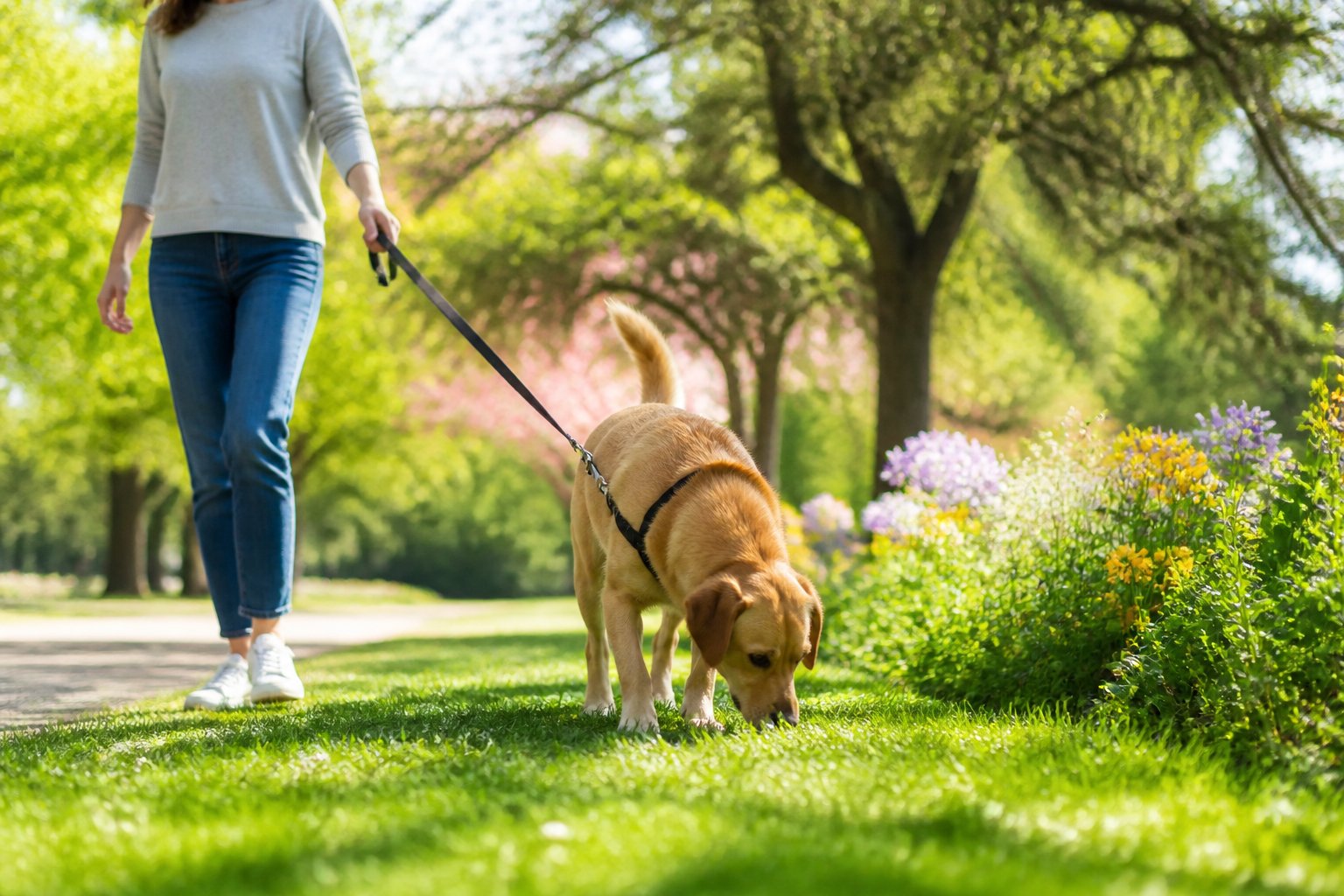
Walks aren’t the only way to give your dog meaningful sniffing opportunities. There are plenty of simple, low-cost activities you can do at home that tap into the same mental benefits. These are especially useful on days when the weather keeps you indoors or when your dog needs extra enrichment between walks.
Indoor Games For Busy Or Rainy Days
One of the easiest things you can do is hide a few treats around your house and let your dog find them. Start with obvious spots and gradually make them harder to locate. This turns an ordinary afternoon into a mini treasure hunt that gets your dog’s brain working.
You can also try hiding a favourite toy and encouraging your dog to sniff it out. Keep sessions short, around five to ten minutes, and always end on a positive note so your dog stays keen.
Using Food Puzzles And Scatter Feeding Safely
Scatter feeding is brilliant in its simplicity. Take a handful of your dog’s regular kibble and scatter it across the garden or on a textured mat indoors. Your dog then has to use their nose to find each piece. It slows down eating, provides mental stimulation, and mimics the natural foraging behaviour dogs were designed for.
Food puzzle toys work on a similar principle. Choose puzzles that are appropriate for your dog’s size and skill level. Watch them the first few times to make sure they don’t get frustrated or try to destroy the toy to get the food out.
When To Try A Snuffle Mat
A snuffle mat is a fabric mat with layers of fleece strips that you can hide treats in. Your dog then rummages through the strips with their nose to find the food. Snuffle mats are excellent for dogs that eat too quickly, need calming down before bed, or simply enjoy nose-led activities.
I’d recommend supervising your dog with a snuffle mat, especially at first. Some dogs can get a bit enthusiastic and try to chew the fabric. Once they understand the game, most dogs absolutely love them.
Good Sheffield Spots For A Relaxed Nose-Led Outing
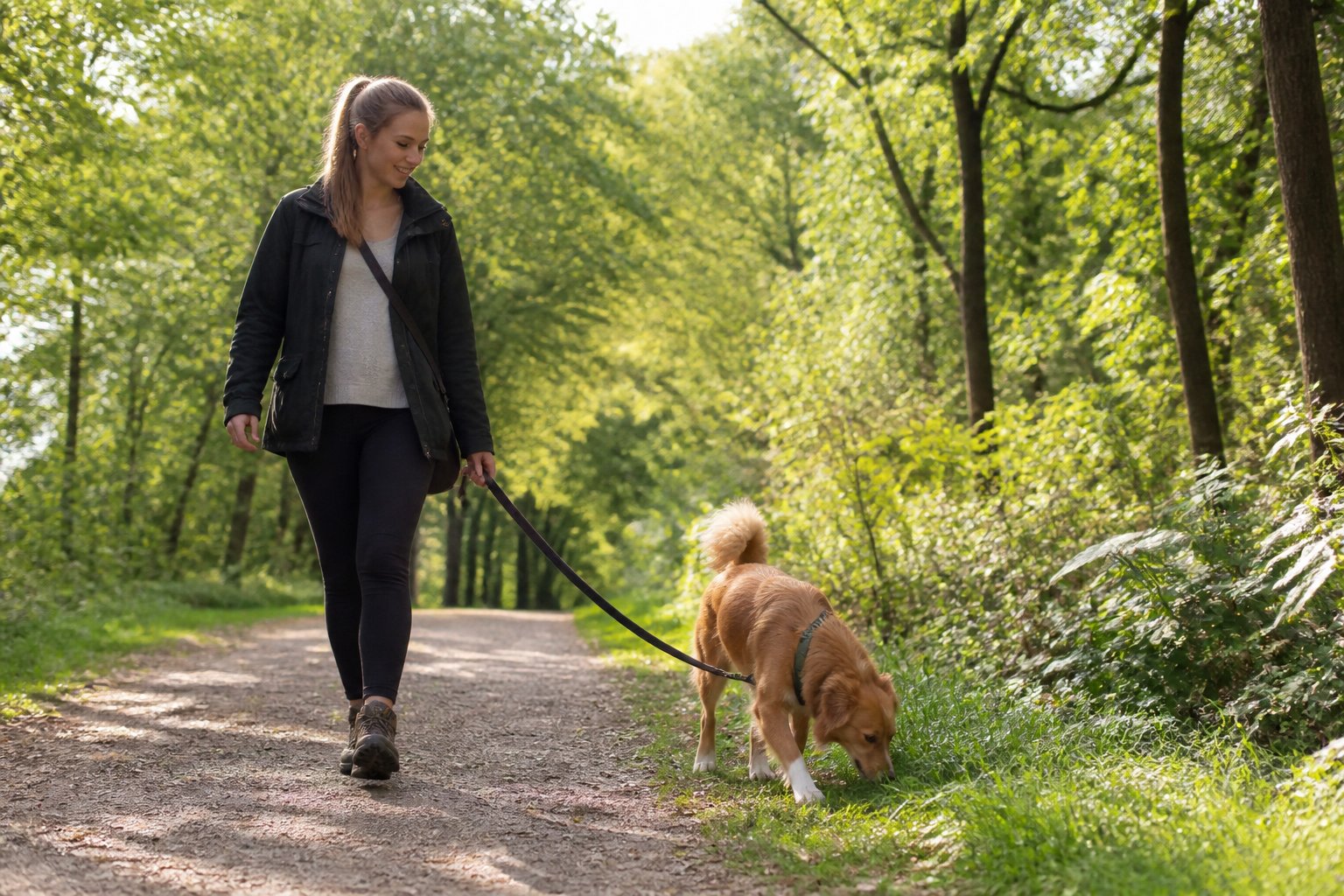
Sheffield is one of the greenest cities in the UK, and there’s no shortage of wonderful places to take your dog for a proper sniffari. I’m lucky to walk dogs across areas like Ecclesall, Millhouses, Dore, and Nether Edge, and I’ve found some spots that are especially good for nose-led outings.
Ecclesall Woods For Natural Variety
Ecclesall Woods is one of my favourite places for a sniff-focused walk. The woodland floor is rich with natural scents, from fallen leaves and fungi to the trails left by squirrels and other wildlife. The varied terrain gives dogs plenty to investigate, and the quieter paths allow them to sniff without constant interruptions.
The different sections of the woods offer everything from open clearings to dense, sheltered areas. This variety keeps things interesting for dogs that visit regularly, because the scent landscape changes with the seasons, the weather, and the time of day.
Millhouses Park For Gentle Everyday Exploration
Millhouses Park is a great option for dogs that prefer a slightly less intense environment. The mix of open grass, riverside paths, and planted areas provides a good range of scents without being overwhelming. It’s particularly nice for older dogs or those that are still building their confidence.
The paths are generally well-maintained, making it accessible for dogs with mobility issues. I often use it for shorter sniff walks where the dog can potter along the river and take in the smells at a gentle pace.
Choosing The Right Environment For Your Dog
Not every dog thrives in every setting. A nervous dog might find a busy park stressful, while an energetic young dog might not get enough stimulation from a flat, open field. I always consider the individual dog’s temperament when choosing a route.
For reactive dogs, I look for quieter paths where we’re less likely to encounter other dogs at close quarters. For confident sniffers, I might choose routes with more variety and texture. The beauty of one-to-one walking is that the route can be completely tailored to the dog, which is something a pack walk simply cannot offer.
Frequently Asked Questions
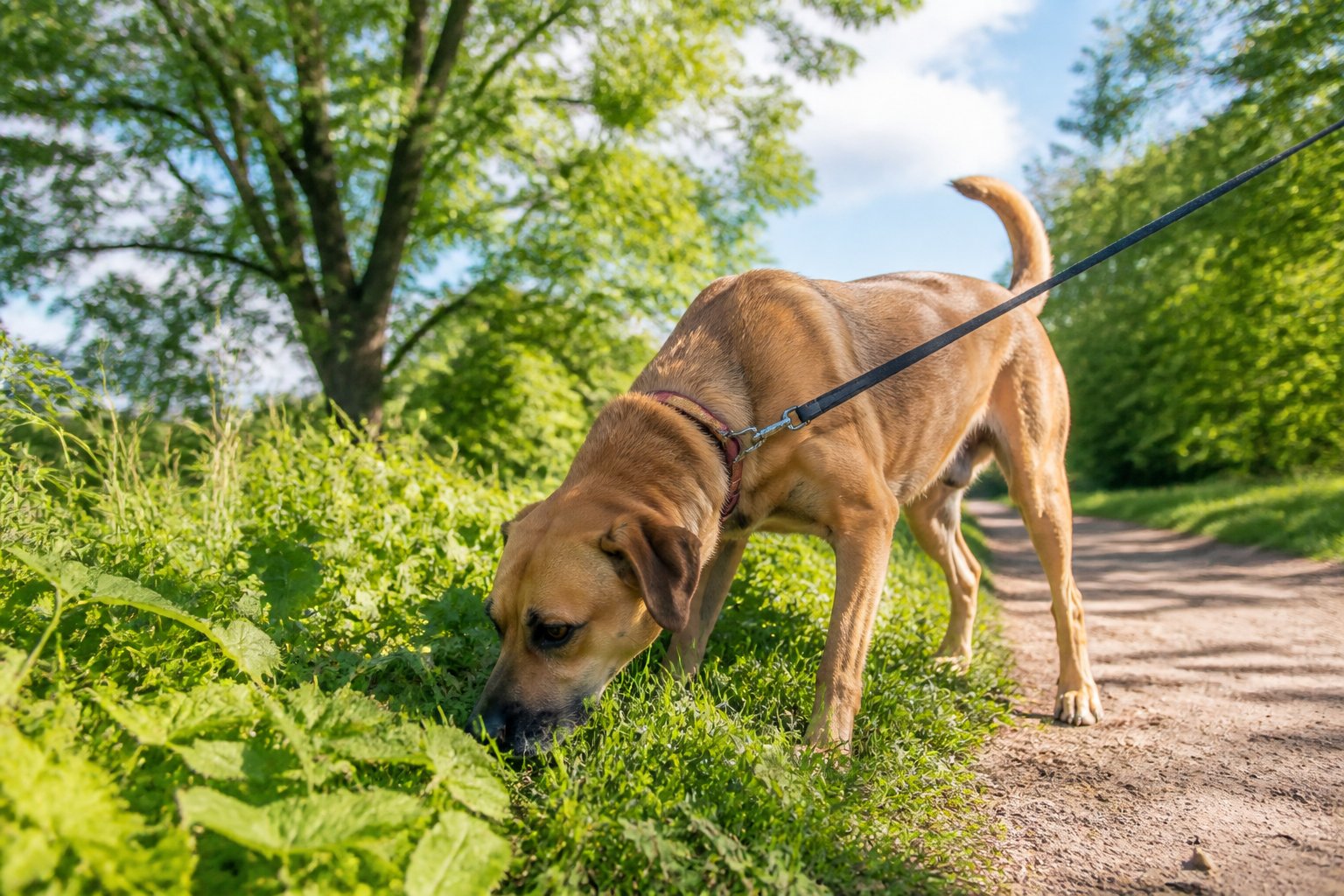
How long should I let my dog stop and sniff during a walk?
There’s no set time limit. I let dogs sniff for as long as they need at each spot, within reason. A good rule of thumb is to allow at least a few seconds at each sniffing point and longer when your dog is clearly engrossed in a scent. The walk should feel relaxed rather than rushed.
What is 10 minutes of sniffing equivalent to for a dog in terms of mental stimulation?
It’s widely suggested that around 10 minutes of focused sniffing can be as mentally tiring for a dog as an hour of physical exercise. While exact comparisons are difficult to pin down, the key point is that sniffing uses significant brain power and genuinely tires dogs out in a healthy, satisfying way.
Is a 30-minute sniff-focused walk enough exercise for my dog?
For many dogs, yes. A 30-minute walk with plenty of sniffing can leave a dog more settled than a longer walk without it. I offer half-hour walks at K9 Time for exactly this reason. The quality of the experience matters more than the distance covered.
Why does my dog pull on the lead to sniff things on walks?
Pulling usually happens because your dog has picked up an interesting scent and wants to get to it quickly. Keeping the lead relaxed and pausing when your dog shows interest in a smell can reduce pulling over time. The dog learns that stopping to sniff is allowed, so there’s less need to lunge towards scents.
Why do dogs sniff everything when they’re out walking?
Sniffing is how dogs gather information about the world around them. Every scent tells a story, from which animals have passed by to what the weather is doing. It’s their primary way of understanding their environment, much like we rely on our eyesight. A dog that sniffs everything is simply reading its surroundings.
Why is my dog suddenly sniffing much more than usual on walks?
An increase in sniffing can be perfectly normal, especially in areas with new or seasonal scents. Changes in weather, new animals in the area, or a different walking route can all prompt more sniffing. If the change seems extreme or is accompanied by other unusual behaviour, it’s worth having a chat with your vet to rule out any underlying issues.