
Dog Socialisation in Sheffield: A Gentle Guide for Nervous Pups
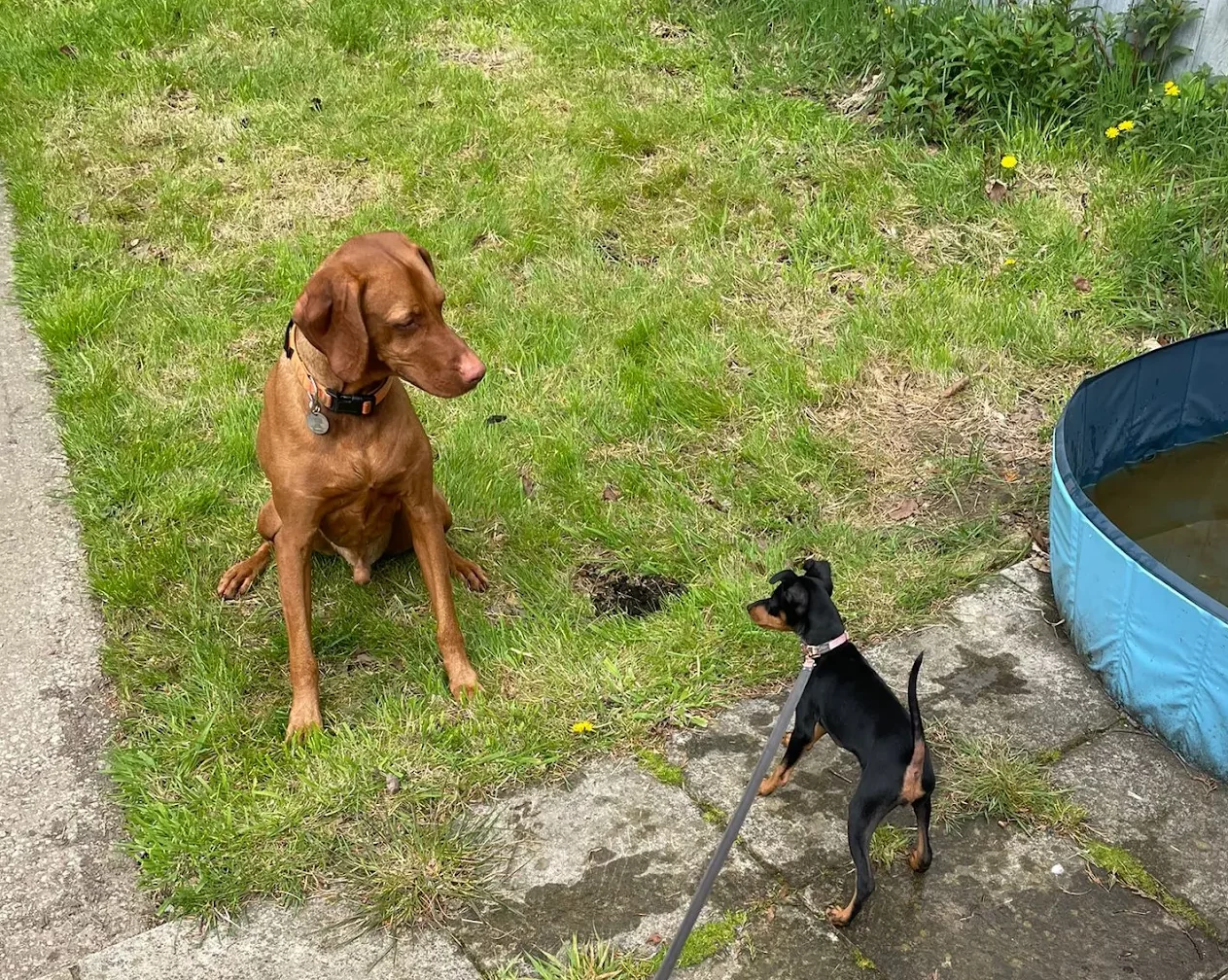
When people ask me about dog socialisation in Sheffield, they often picture a busy park full of dogs charging at each other. I have spent more than 25 years working with dogs, and I can tell you that this picture is where a lot of nervous dogs come unstuck.
Real socialisation is not about your dog meeting every dog they see. It is about helping your canine companion feel calm and safe near new sights, sounds, people and dogs, without being forced into contact.
At K9 Time, I walk dogs one at a time, never in mixed packs. That single choice makes a huge difference for a worried dog. If your dog struggles on walks, I would love to hear about them. My free 30-minute meet and greet is a relaxed, no-obligation chat about what your dog needs, across S7, S8, S10, S11 and S17.
Key Takeaways
-
Socialisation means calm exposure at a safe distance, not forced greetings.
-
Nervous dogs make faster progress on solo walks with predictable routes.
-
Small, kind steps and proper rest build lasting confidence.
What Healthy Socialisation Actually Looks Like
Good socialisation is quiet, slow and often a little boring to watch. Your dog notices the world, stays under their stress limit, and learns that nothing bad happens.
Choice, Distance and Positive Experiences
Distance is your best tool. A nervous dog who can watch another dog from 30 metres away, take a treat and walk on calmly has just had a brilliant experience.
Let your dog choose to move closer or move away. Dragging a worried dog towards something they fear teaches them that the lead removes their choice.
Why More Dog Contact Is Not Always Better
Many owners are told to “get them used to other dogs” by letting them play with everyone. For a sensitive dog, that often creates the opposite result.
Repeated close greetings can build frustration or fear. Learning to walk past another dog politely is a far more useful life skill than nose-to-nose meetings.
Reading Early Signs of Stress
Canine behaviour gives you plenty of warning before a bark or lunge. Watch for these quieter signals:
-
Lip licking, yawning or turning the head away
-
A tight, closed mouth or stiff body
-
Ears pinned back, tail tucked low
-
Refusing food they normally love
-
Sudden sniffing of the ground or freezing
When I see these signs on a walk, I calmly increase distance. That small choice protects the dog’s confidence.
A Safe Plan for Nervous or Reactive Dogs
Nervous dogs do best with a plan they can predict. Across Sheffield and South Yorkshire, the quieter lanes, green edges and early morning hours give us plenty of room to work with.
Start Below Your Dog’s Threshold
Your dog’s threshold is the point where they stop coping and start reacting. Progress happens just below that line, never above it.
Pick a spot where your dog can see a trigger but still eat, listen and breathe normally. That is your starting distance, and it may be further than you expect.
Use Calm Routes and Predictable Routines
Familiar routes lower the mental load. Your dog already knows the corners, the smells and the gates, so they have more capacity to cope with surprises.
I plan quieter routes for my nervous clients, often through low-traffic residential streets and open green space with good sightlines. Being able to see what is coming matters enormously.
Manage Encounters With People and Dogs
Have a plan before you need one. A U-turn, a driveway to step into or a wide arc around a bench all buy you space.
It is fine to say no to people and dogs who want to approach. A friendly “he’s in training, thank you” works well and protects your dog.
Know When to Pause or Leave
If your dog cannot take food, cannot look away from a trigger or is panting hard without exercise, the session is over. Nothing is lost by going home early.
Ending on a calm note is the goal. Pushing through a bad moment can undo weeks of steady canine behaviour work.
Helping Puppies Build Confidence Without Overwhelm
Puppy training works best when it is gentle and short. The early weeks shape how your canine companion sees the world for years to come.
Gentle Introductions During Early Development
The main socialisation window happens in a puppy’s first few months. The aim is variety with calm, not volume with chaos.
One or two new things a day is plenty. A puppy watching the world from your arms or a quiet bench is still learning.
Everyday Experiences That Matter
Household life teaches more than any class. Try building a simple list and ticking it off slowly:
|
Experience |
Gentle approach |
|---|---|
|
Traffic and buses |
Watch from a quiet side street |
|
Bins, hoovers, hairdryers |
Short, distant, paired with treats |
|
Surfaces and steps |
Grass, gravel, metal grids, wet paving |
|
Handling |
Paws, ears, collar, brief and rewarded |
|
Being alone |
A few minutes at a time, built up slowly |
Puppy training in Sheffield often includes structured classes, and those can help. Just make sure the class allows calm watching rather than free-for-all play.
Why Rest and Recovery Are Part of Learning
Puppies need a great deal of sleep, often 18 hours a day. Learning happens during rest, not just during the outing.
An overtired puppy bites more, listens less and struggles to settle. When I do puppy sitting visits, I always build quiet time into the session.
Why One-to-One Walks Can Support Progress
I made a deliberate decision when I started K9 Time: solo walks only. For an anxious dog anywhere in Sheffield, from Ecclesall to Dore and Totley, that removes the biggest source of pressure.
No Mixed Packs and No Forced Greetings
I never mix dogs from different households. Your dog walks with me alone, or with up to three dogs from your own home who already know each other.
That means no surprise greetings and no waiting while another dog is sorted out. My whole attention stays on your dog.
Tailoring Each Walk to Energy and Behaviour
A bouncy young collie and a worried rescue need very different walks. I match pace, route and length to the dog in front of me.
Some dogs need a hard hour of sniffing and movement. Others do better with a 30-minute walk on quiet ground with plenty of decompression time.
GPS Updates That Help Owners See Patterns
Every walk is GPS-tracked, with a report, photos and videos sent through a free app. Over a few weeks, patterns start to show.
You might notice your dog copes better on early walks, or struggles near one particular junction. That information helps you and your trainer make better decisions.
Training Support and Professional Help
Walking support and training work best together. Sheffield has some excellent dog training services, and I am always happy to work alongside them.
Practising Loose Lead Walking Around Distractions
Loose lead walking falls apart when the environment gets busy. The fix is to practise in easy places first, then add small amounts of distraction.
I follow whatever lead-handling method your trainer has set. Consistency between owner and walker speeds everything up.
When to Contact Dog Trainers
Reach out to qualified dog trainers if your dog barks, lunges, freezes or panics regularly. You should also seek help if walks have become something you dread.
Look for force-free, reward-based dog training. Kind methods build confidence, while harsh corrections often make fear worse.
Combining Walking Support With Training Plans
A good routine might look like a weekly trainer session, short daily practice from you, and calm walks in between. My job is to keep the calm walks calm.
I keep notes on how your dog responds to people and dogs during our time together. Passing that back to your trainer helps them adjust the plan.
A Gentle Start With K9 Time
Starting slowly matters. I never rush a nervous dog, and I never assume a new canine companion in Sheffield will be fine on day one.
The Free Meet and Greet
The meet and greet lasts 30 minutes, costs nothing and carries no obligation. It happens in your home, where your dog feels safest.
I use it to learn routines, triggers, favourite treats and warning signs. Some dogs come and say hello straight away, others watch from the doorway, and both are fine.
Reiki as Complementary Calm Support
I am a Certified Third Degree Master Practitioner in the Usui system of Reiki healing. It is a gentle, hands-off approach that many owners find helps their dog settle.
I have used it most often with rescue dogs who carry tension in their bodies and struggle to relax. It sits alongside proper training and veterinary care, never in place of them.
Finding the Right Pace for Your Dog
Some dogs are ready for a full hour within a week. Others need several short visits before they will walk out of the door with me.
I follow the dog. My credentials include full insurance, DBS checking, dog first aid training and NARPS UK membership, but patience is the part that matters most.
Frequently Asked Questions
What are the best dog socialisation classes in Sheffield?
Sheffield has several well-regarded reward-based providers offering puppy confidence sessions, social skills classes and outdoor workshops. Look for small class sizes, force-free methods and a qualified trainer who allows calm observation rather than free play. Ask if you can watch a session before booking.
How much do dog socialisation classes cost in Sheffield?
Prices vary by trainer, class length and whether the session is group or one-to-one. Group courses typically run over several weeks and cost less per session than private work. Always check what is included and whether you get follow-up support between sessions.
Are puppy socialisation classes worth it?
They can be very useful when run well, giving your puppy safe exposure and giving you guidance from a qualified trainer. The value comes from calm, structured sessions rather than chaotic play. If your puppy leaves overwhelmed or exhausted, the class is not the right fit.
What age should I start socialising my puppy?
Start as soon as your puppy comes home, usually around eight weeks. Before full vaccinations you can carry them, use the garden and invite calm visitors round. Keep every session short, positive and well below the point where your puppy looks worried.
Can adult dogs attend socialisation classes?
Yes, and many Sheffield trainers run classes specifically for adolescent, nervous or reactive adult dogs. These usually focus on distance work and calm coping rather than greetings. For dogs who react strongly, a one-to-one assessment first is often the kinder route.
How do I choose a reputable dog trainer in Sheffield?
Check their qualifications, ask which methods they use, and choose someone who works with reward-based, force-free techniques. A good trainer will explain their plan clearly and will not promise instant fixes. Reviews from owners with similar dogs to yours are worth reading.