
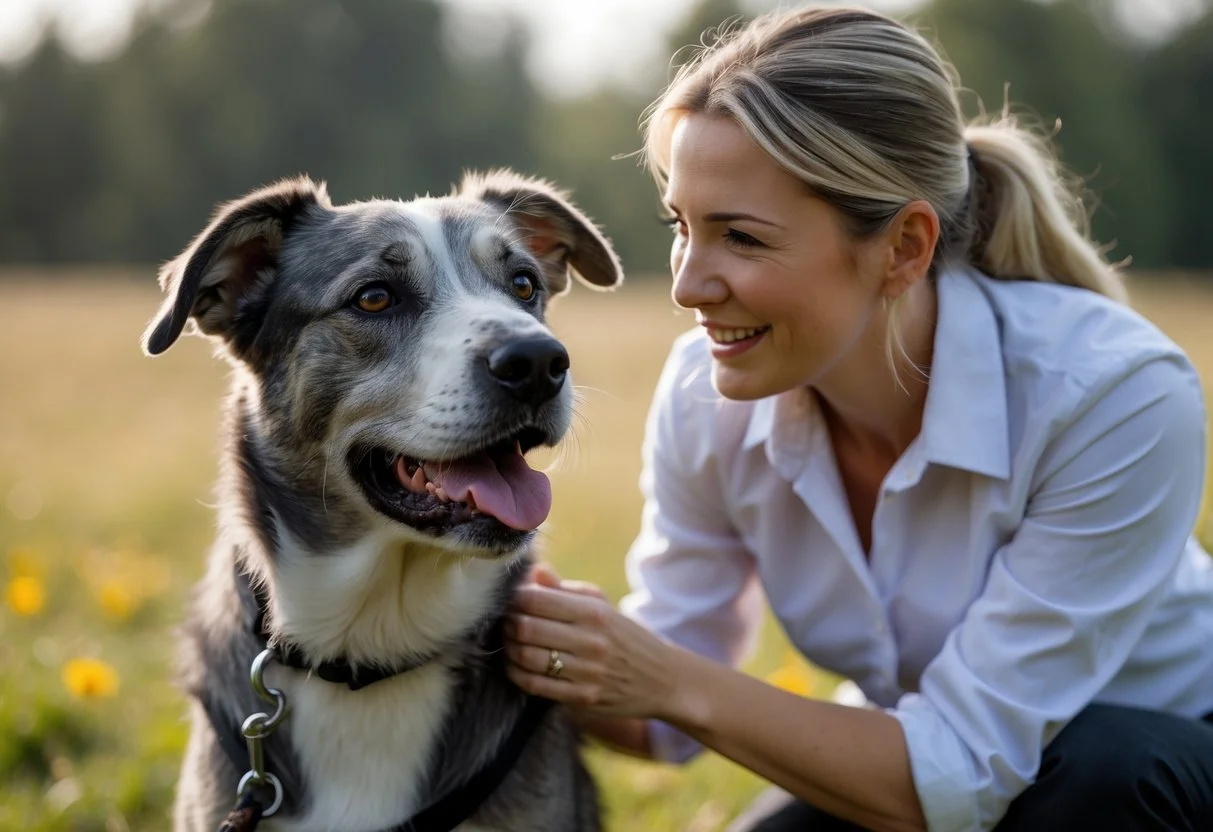
You want practical help when your dog shows worry, reactivity or training hurdles. This article points you to trusted dog behaviourists in Sheffield who offer professional support. Finding the right dog behaviourists in Sheffield can transform your relationship with your pet. You’ll find clear options for in-person coaching, group classes, and dog training. Specialist behaviour work and online support are also available to fit your life.

We’ve gathered local experts, community networks and hands-on workshops to make it easier for you to get support that’s kind, evidence-based and suited to your dog’s needs. Expect useful tips, where to look for specialists, and how to pick the right help without feeling overwhelmed.
1) Victoria Cooper – Expert in reactive and anxious dogs, with 30+ years of experience.

If your dog gets nervous on walks or barks at visitors, Victoria Cooper knows how that feels. As one of the most established dog behaviourists in Sheffield, she has worked with dogs and owners for over 30 years. She uses behaviour modification to address reactivity, aggression, and anxiety.
You’ll find practical, kind strategies that fit your life and your dog’s limits. Victoria offers both in-person help around Sheffield and Chesterfield and remote support, so we can find what works for you even if you’re short on time.
Her approach centres on building trust, not using force. That means you and your dog learn to read each other better and make small steps that add up to real change.
If you want more detail about her services and areas of expertise, you can read about her work with reactive and anxious dogs on her main website.
2) People and Dogs – Friendly force-free training classes and separation anxiety help.

You’ll find kind, force-free training that focuses on teamwork and trust. Classes cover puppy training, general skills, and problem behaviour. There is something for most dogs and owners. The bond between people & dogs is at the heart of their approach.
If your dog struggles with being left alone, People and Dogs offer specialist support for separation anxiety. They use ethical methods to teach coping skills without punishment.
You can book one-to-one lessons for reactivity, resource guarding or tailored behaviour plans. Trainers aim to make sessions practical, clear and calm, so you leave with steps you can use straight away.
The team has decades of local experience and works with owners across Sheffield and nearby towns. If you want gentle, proven help, check People and Dogs for classes and individual support.
3) Katie Patmore – Specialises in reward-based training and behaviour clinics.

If you want calm, kinder training for your dog, Katie Patmore uses reward-based methods that focus on positive change. She offers one-to-one sessions and behaviour clinics in and around Sheffield, which can help with many common issues.
You’ll get practical, step-by-step guidance you can use at home. Katie has a background in anthrozoology and decades of experience. She links the science of canine behaviour with everyday tips.
Her approach aims to reduce stress for both you and your dog. That means fewer shouting matches and more treats, patience and clear signals that your dog can understand.
Find more about her services and background on her official site for details and contact information.
4) Best Behaviour K9 Training Academy – Yorkshire’s go-to for personalised dog coaching.

If you want tailored help for your dog, Best Behaviour K9 offers one-to-one sessions and group classes across Yorkshire. They work with puppies, nervous dogs and those with naughty habits, so you can pick what fits your needs.
You’ll find trainers who listen and adapt plans to your home life. They mix practical exercises with clear explanations, so you and your dog both know what to do next.
Training locations include Sheffield and Barnsley, and they also do home visits when that suits you better. That means you get help where the problem actually happens.
You can check their class list and contact details on their official site to book or ask questions. Visit Best Behaviour K9’s contact page for phone and address details.
5) Theo De Silva – Tailored sessions for puppies and behavioural challenges.

If you have a new puppy or a dog with tricky habits, Theo De Silva offers one-to-one sessions. He specialises in puppy training and adapts his methods to each family. You learn skills that fit your life and your pet’s personality.
Sessions often use play-based methods, which keep training fun and simple for both of you. That approach helps puppies learn fast and makes changes easier for anxious or excitable dogs.
You can book consultations in Sheffield and nearby areas, which makes getting help straightforward. For more details about his services and booking, see Desilva Dogs.
6) Neil Losada – Nationwide behavioural consultant, Sheffield specialist.

If you need a trainer who works across the UK but knows Sheffield well, Neil Losada fits that bill. He runs Best Behaviour K9 and offers one-to-one help for common problems like pulling, reactivity and separation anxiety.
You’ll find Neil has over 20 years’ experience with working dogs and domestic pets. He uses clear, calm methods and explains things so you can repeat them at home.
Sessions can happen at your house or at local Sheffield venues, which makes life easier for you and less stressful for your dog. Neil also runs workshops and mentoring if you want deeper support.
Learn more about his services and local availability on the Best Behaviour K9 site.
7) Alliance K9 – Highly rated local trainers selected for quality.

If you live in Sheffield and need practical, no-nonsense help, Alliance K9 often shows up in local lists and reviews. They advertise behaviour, obedience and personal protection training, so you can pick help that suits your dog and your goals.
You’ll find them based in Halfway, with many positive reviews and active social pages that show real training sessions. That makes it easier for you to see their style before you book a session.
Expect friendly, hands-on coaching that focuses on clear communication between you and your dog. If you want to check reviews or contact details, view their listing on Alliance K9.
8) Sheffield Dog Trainers Network – Great community to find verified experts.

If you need a trainer or behaviourist, the Sheffield Dog Trainers Network helps you meet local professionals. You can browse members, check qualifications, and see who works nearby.
We like that the network focuses on verified experts. That means you can ask about insurance, experience and training methods without awkward guesswork.
You’ll find trainers who offer one-to-one sessions, group classes and behaviour support for fear or reactivity. Many list specialisms so you can match your dog to the right person.
If you prefer to compare options online first, the network makes that easy. For a local directory of trainers and behaviourists, try the Sheffield listings on the Yell marketplace for more contacts and details.
9) Online Behaviour Support – Perfect if you prefer to train from your living room.

Online sessions let you work on real issues where they happen — at home. You can show your dog’s behaviour on video and get step‑by‑step coaching without leaving the sofa.
You and the behaviourist can review clips together and spot small triggers you might miss. That makes plans much more practical and easy to follow.
Many UK behaviourists offer one‑to‑one online consults with tailored plans and ongoing check‑ins. For accredited remote help, consider providers like Back to Balance Canine Behaviourist or Dog Behaviourist Online who focus on force‑free methods.
Online work suits anxious, reactive or rescue dogs and families with busy schedules. You still need patience and practice — the behaviourist guides you, but you do the daily training.
10) Practical Workshops – Fun, hands-on sessions to understand your dog better.
You and your dog learn best by doing, not just watching. These workshops let you practise simple skills together in a friendly setting.
Expect short, focused exercises that build confidence for both of you. Trainers give clear, calm instructions and feedback you can use at home.
Workshops often cover play, recall, leash skills and managing stress signals. You get to ask questions and try techniques while the trainer watches and helps.
Sessions are social for you and for your dog, but trainers keep things controlled. That means useful learning without overwhelm.
Look for local options that match your needs, from puppy socialisation to behaviour-focused clinics. For listings and detailed workshop descriptions, check providers such as Paws and Minds workshops.
Understanding Canine Behaviour
Dogs show problems in ways you can see and ways you might miss. Understanding canine behaviour helps you spot what to watch for and why certain actions happen. Gaining insight into specific dog behaviour allows you to respond with patience and consistency. You can then discuss practical steps with a behaviourist.
Common Behavioural Challenges
Some dogs bark, growl or lunge when visitors arrive. Others pull on the lead, jump up, or bolt through open doors. These are often signs of excitement, fear, or poor training rather than “naughtiness.”
Separation anxiety shows as scratching at doors, crying, or destroying things when you leave. Resource guarding looks like stiff body language and growling around food or toys. Reactive behaviour in public—snapping or lunging—often ties to fear or over-arousal.
You can start by noting triggers, timing and the dog’s body language. Record when the problem worsens and any patterns. That information helps a behaviourist design clear, step-by-step plans you can follow at home.
The Science Behind Canine Actions
Dogs learn by association and consequence. If your dog gets attention for barking, that barking is reinforced. If a scary noise always happens near a bin, the dog may fear bins. Understanding this helps you change the pattern.
Brain and body link through hormones like cortisol (stress) and oxytocin (bonding). High stress makes learning harder. Reward-based training taps into positive emotions and speeds learning without raising fear.
A behaviourist blends learning theory and observation to change reactions. They use behaviour modification techniques like counter-conditioning. This ensures you and your dog get safer, calmer results.
How Dog Behaviourists Can Help You
A behaviourist can give you clear steps, set realistic goals and teach techniques you can use at home. They help with fear, reactivity, pulling on the lead and separation anxiety using calm, repeatable methods.
Tailoring Strategies for Sheffield’s Unique Pups
A good behaviourist starts with a detailed assessment of your dog’s history, triggers and environment. They will ask about walks in local parks, reactions to trams or buses, life in flats or houses, and any rescue background. This helps them choose the right tools for your dog.
They design a plan with specific, short training tasks you can repeat daily. That might mean counter‑conditioning for noise fears, stepwise desensitisation to other dogs, or loose‑lead walking drills for busy city streets. They also adapt timing and reward types to suit your dog’s age and drive.
You’ll get written steps and simple progress checks so you know when to increase difficulty. Expect practical homework: three five‑minute sessions a day rather than long, infrequent practice. This keeps your dog calm and helps you see steady improvement.
Working Together for Positive Change
You and the behaviourist become a team. They teach you humane handling, clear cueing and how to read subtle body language so you spot stress before it escalates. You practise techniques while they coach you, so you leave sessions confident rather than guessing.
They often include family members so everyone uses the same rules and rewards. Consistency matters — if one person rewards jumping and another ignores it, your dog gets mixed messages. The relationship between people & dogs relies on clear communication. The behaviourist will give charts to keep everyone on track.
Follow‑up sessions and video reviews let the behaviourist refine the plan. This ensures that dog training stays effective as your pet improves. You’ll walk away with skills to prevent future problems.
Frequently Asked Questions
This section explains when a behaviourist helps, what common training rules really mean, costs to expect, and how to pick the right professional for your dog. You’ll find clear actions and practical tips linked to specialist services in Sheffield.
Why should you consider getting a wag-worthy behaviourist for your cheeky pup?
A behaviourist helps when your dog shows repeated problems like constant lunging, fear in new places, or damage from separation. They assess triggers, build step-by-step plans, and teach you simple daily exercises to reduce stress and unsafe behaviour.
If you have a reactive or anxious dog, consider an expert such as Victoria Cooper who focuses on trauma and reactivity. When comparing various dog behaviourists in Sheffield, it is helpful to check their specific experience with your dog’s breed and history. A behaviourist also works with rescue dogs to rebuild confidence and routine.
Feeling puzzled about the magic behind the 777 rule for dogs? Let’s make it less ruff!
The 777 rule refers to sensible routines: 7 minutes of focused training, 7 minutes of play, and 7 minutes of calm handling across the day to build consistency. Short, repeated sessions reduce confusion and keep your dog engaged without wearing them out.
Use treats, toys and quiet praise during the 7-minute work bursts. Trainers who use reward-based methods, like Katie Patmore, recommend keeping sessions positive and predictable.
Is hiring a dog whisperer going to leave your wallet barking or is it a treat worth splashing out on?
Prices vary by session type. One-to-one consultations cost more than group classes but give tailored plans for complex issues like reactivity or separation anxiety. Think of it as an investment: solving dangerous or chronic problems often saves money on vet bills and property damage later.
Look for providers offering follow-up support or packages. Local options in Sheffield include force-free classes from People and Dogs and specialist behaviourists for severe cases.
Curious about the 3 second rule for dogs? Bet your furry friend is too!
The 3 second rule means giving a clear, calm response within three seconds of a behaviour so your dog links the action and consequence. Quick feedback helps your dog learn which actions get rewards or gentle corrections.
Keep the response consistent: same cue, same reward or correction. If you delay, your dog will not connect the action to the outcome and learning slows.
Struggling to choose the best dog behaviourist? Want to know what to sniff out?
Check qualifications, insurance and practical experience with the issue your dog has. Ask about methods — prefer reward-based, force-free plans — and request case examples or references for similar problems.
Meet the behaviourist, discuss costs and follow-up support, and watch how they interact with your dog. Sheffield options include tailored puppy and behaviour sessions from Theo De Silva and local academies offering personalised coaching.
Worried your dog’s antics are more ‘wild’ than ‘mild’? What can a behaviourist do to help?
A behaviourist will map triggers, teach you control strategies for walks and home life, and set realistic goals you can track week by week. For severe aggression or deep anxiety, they may recommend a phased rehabilitation plan with safety measures and gradual exposure work.
They also coach you and other family members so everyone responds the same way. If you need practical, structured help in Sheffield, search for clinics that run behaviour clinics and rehabilitation programmes.
If you work long hours and need someone to check in on your dog during the day, learn more about our solo dog walking services in Sheffield.


