
Lost and Found Pets Sheffield: What to Do Next
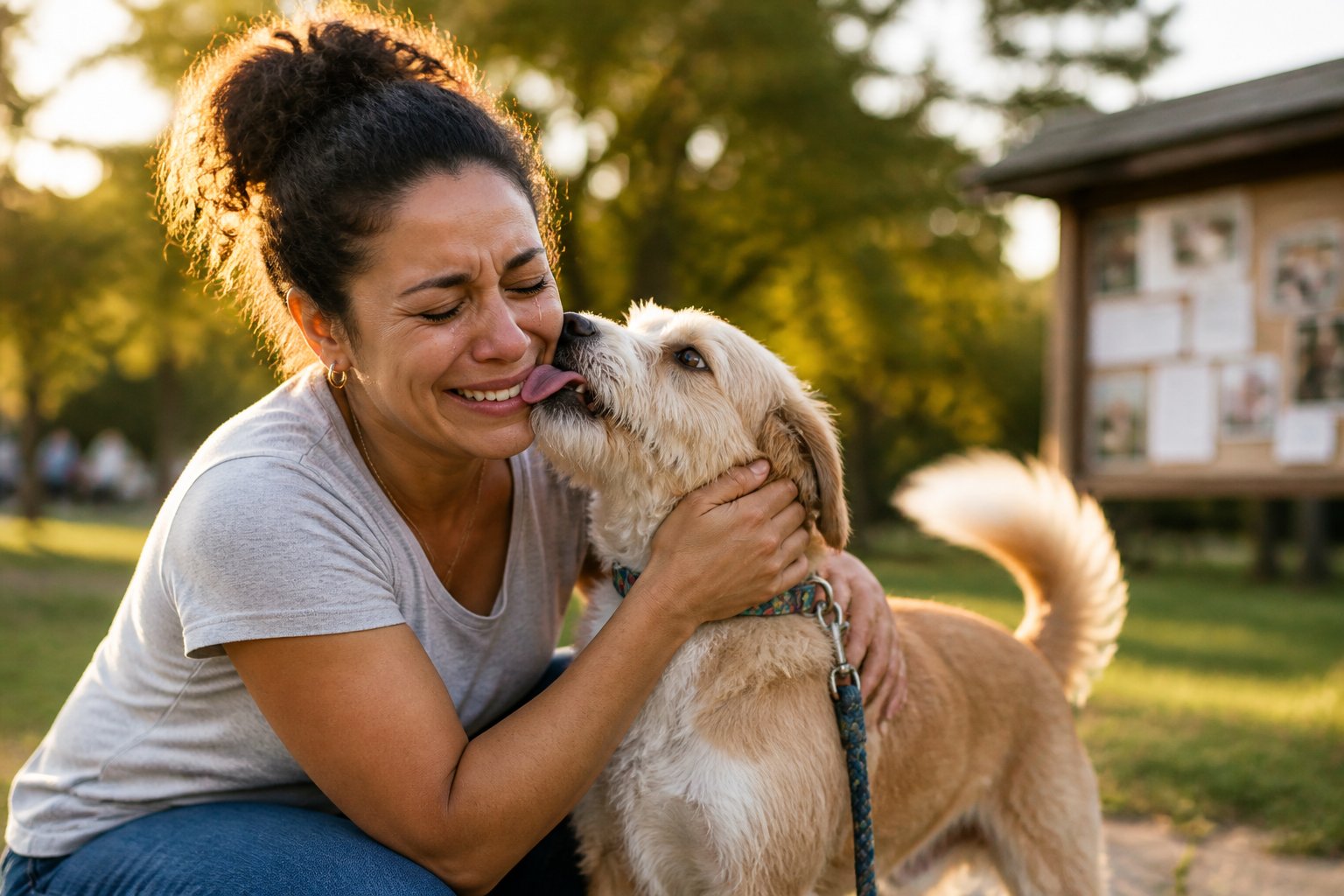
The moment you realise your dog has slipped the lead or your cat hasn’t come home for tea, your stomach drops. I’ve been caring for pets in Sheffield for more than 25 years, and I’ve helped enough worried owners to know that the first hour is where most reunions are won or lost.
Search a tight radius on foot straight away, flag your pet as missing on the microchip database, ring nearby vets, and report to the Sheffield City Council Dog Warden, because acting fast beats searching wide. Most pets are found close to home, hiding rather than running.
I’ve put together everything I share with clients when a pet goes missing in South Yorkshire, along with what to do if you’re the one who’s found a frightened animal on your street. If you’d like a hand with day-to-day care while you get your routine back on track, I offer a free 30-minute meet and greet with no obligation.
Key Takeaways
-
Search calmly within a few hundred metres first, then update your microchip database and call local vets.
-
Report to the Sheffield City Council Dog Warden and post in Sheffield lost and found pet groups with a clear, recent photo.
-
Microchip details, secure collars and safe walking habits prevent most escapes before they happen.
What Should I Do in the First Hour After My Pet Goes Missing?
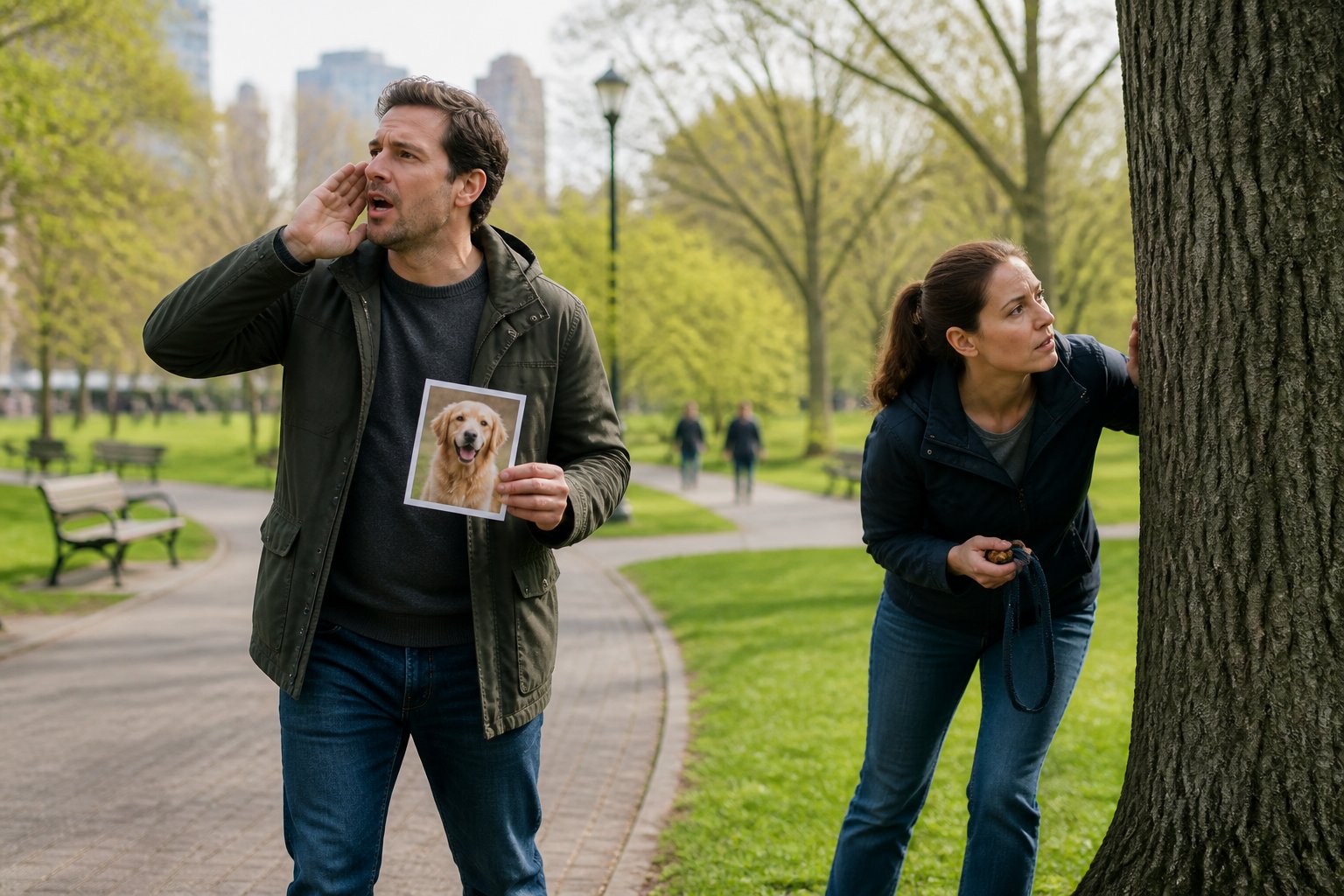
Stay in the immediate area and search on foot before you do anything else. Cats hide within a few gardens of home, and frightened dogs often circle back to the last place they felt safe. The first 60 minutes give you the highest chance of a quick recovery, and step-by-step UK recovery advice recommends walking a 500-metre radius before widening your search.
Make the Immediate Area Safe and Search Calmly
Open your front and back doors, and leave the pet’s bed, litter tray or a worn jumper outside. Familiar smells pull scared animals back.
Call in a normal, relaxed voice. Shouting sounds like anger to a nervous dog. Shake a treat bag or a favourite squeaky toy instead.
Check sheds, garages, under cars, behind bins and inside bushes. Cats squeeze into gaps you’d swear were too small. Knock on neighbours’ doors and ask them to check outbuildings, since a shut shed door traps more Sheffield cats than anything else.
If your dog bolted on a walk, stay put for 20 minutes. Many dogs retrace their steps to the spot where they lost you.
Gather a Recent Photo and the Details People Need
Find a clear, recent photo showing your pet’s face and any distinctive markings. A blurry photo from three years ago slows everything down.
Write down the facts people will ask for:
-
Breed, colour, size and rough age
-
Sex, and whether neutered
-
Collar colour and any tag details
-
Microchip number and database (Petlog, Identibase or similar)
-
Exact street and time last seen
-
Any medical needs or medication
Log into your microchip database and mark your pet as lost straight away. If someone scans your pet at a vet, your flagged record tells them instantly that a family is searching.
How to Report and Share a Missing Pet in Sheffield
Report to official bodies first, then push the news out locally. Sheffield City Council handles stray dogs, vets scan and hold found animals, and the city’s Facebook groups reach thousands of people across South Yorkshire within minutes.
Contact Local Authorities, Vets and Animal Welfare Organisations
Ring Sheffield City Council about a lost or found dog as your first call. The council collects strays and keeps a record you can check against.
Phone every vet practice within about five miles and ask them to note your pet’s description. Found animals are taken to vets constantly, and reception staff keep lists. Our roundup of Sheffield vets is a useful starting point for numbers, and it’s worth ringing an emergency vet in Sheffield too, since injured strays arrive out of hours.
Contact RSPCA Sheffield at the Sheffield Animal Centre and, for cats, the Sheffield Cats Shelter. Local cat rescue organisations in Sheffield and Sheffield dog rescues also take in strays and log sightings.
Only ring the police if you believe your pet has been stolen. The PDSA advises against calling police for a lost pet otherwise.
Use Lost and Found Pet Sites and Local Facebook Groups
Sheffield has several active Facebook groups dedicated to lost and found pets, covering the whole city and surrounding areas. Search for “Lost and found pets all Sheffield areas”, “Lost and Found Pets and Paws Sheffield and Surrounding Areas” and “Pets: Lost & Found, Missing or Stolen Sheffield & South Yorkshire”.
Post in all of them. Different neighbourhoods watch different groups, and a sighting near Sharrow travels fast when the right dog walker sees it.
Add your pet to national lost and found databases as well. These cover the Yorkshire and the Humber region and alert local users when a match appears.
Join your street or ward’s community group too. Residents around Rother View Road, Tideswell Road and Ashopton Drive share sightings quickly, and rural groups near Bamford pick up dogs that have travelled out of the city.
Create a Useful Alert, Poster and Neighbourhood Message
Keep posters simple and readable from a passing car. Big photo, big word “LOST”, breed and colour, area last seen, and one phone number.
Laminate them or use clear plastic wallets. Sheffield weather ruins paper within a day.
Put posters at vets, pet shops, cafés, school gates and park entrances near popular local dog walks. Ask permission before fixing anything to private property.
Hold back one identifying detail, such as a scar or an unusual marking, so you can verify anyone who claims to have found your pet.
The PDSA advises against offering a cash reward, as it can attract people with no experience and put your pet at risk.
What Should I Do If I Find a Dog, Cat or Other Pet?
Approach slowly, check for a collar if it’s safe, and contact the local authority. A found dog is legally a stray, and the council has a duty to collect it. Cats are treated differently, since most roaming cats have a home nearby.
Approach Safely and Avoid Putting Yourself or the Pet at Risk
Crouch sideways, avoid eye contact, and let the animal come to you. A frightened dog near traffic can bolt at a sudden movement.
Never chase. Sit down, look away and toss food if you have any. Dogs Trust offers practical guidance on what to do when you’ve found a stray dog, including staying calm and keeping your distance from an anxious animal.
If the dog growls, snaps or seems injured, stay back and call for help. Note the location and direction of travel instead.
With cats, take a photo and check whether it’s simply visiting. A well-groomed, relaxed cat with a full belly almost certainly lives on the street.
Check for Identification and Arrange a Microchip Scan
Look for a collar tag with a phone number, and ring it before doing anything else. That solves most cases in a single call.
No tag means a microchip scan. Any vet practice will scan a found animal free of charge, and so will the Sheffield Animal Centre and most rescue organisations.
The scan gives a 15-digit number, which the vet checks against the UK databases. If the owner has flagged the pet as missing, the match appears immediately.
Take a paper collar and write your number on it if you’re keeping a cat’s details visible for a few days.
Report a Found Pet and Guard Against Ownership Scams
Report the animal to the Sheffield City Council Dog Warden even if you plan to keep it at home while the owner is traced. Logging it means any owner ringing the council gets a match.
Post a found notice with a partial photo. Leave out one clear detail so you can ask a caller to describe it.
Ask anyone claiming ownership for the microchip number, vet practice name or a photo of the pet at home. Genuine owners produce these easily.
Never hand an animal over in a car park to someone who can’t describe it properly.
How Can I Reduce the Risk of a Pet Going Missing?
Up-to-date microchip details and a well-fitted collar solve most recovery problems before they start. Beyond ID, the practical work is securing gardens, using the right lead in open ground, and arranging care that keeps pets in a routine when you’re away.
Keep Microchip and Collar Details Up to Date
Microchipping is a legal requirement for dogs and cats in England. A chip only works when the contact details behind it are current.
Check your record every time you move house or change your mobile number. Out-of-date details are the single most common reason a scanned pet isn’t reunited quickly.
Add a collar tag with your surname and mobile number. Skip the pet’s name, since it makes it easier for a stranger to call your dog away.
For cats, use a quick-release safety collar. It snaps open if the cat catches it on a branch or fence.
Make Walks, Gardens and Home Visits More Secure
Check fence panels, gate latches and gaps under hedges every few months. Dogs test weak spots on windy days and during fireworks.
Use a well-fitted harness on nervous dogs. A slipped collar on a busy Sheffield road is a serious risk, and the RSPCA recommends a long-line lead in unfamiliar areas where recall isn’t reliable.
Never leave a dog tied outside a shop. Never leave one alone in a car.
For dogs who struggle in open spaces, an enclosed field takes the pressure off. Places like 4 Paws secure dog field give anxious dogs room to run without an escape route.
I walk dogs one-to-one for exactly this reason, and every walk is GPS-tracked with a report sent through the app.
Plan Safe Care When You Are Away From Home
Pets escape most often when their routine changes. A new sitter, an unfamiliar house or a kennel stay all raise the risk of a bolt for the door.
Keeping pets at home helps. In-home dog sitting means familiar smells, the same feeding times and no strange gates to test. I run four visits a day at 7am, 11am, 3pm and 9pm.
For cats, two visits a day cover feeding, fresh water, litter trays and playtime. Regular visits also keep the house looking lived-in, which discourages break-ins that let pets escape. That’s covered in more detail in our guide to cat sitting and home security in Sheffield.
Brief whoever cares for your pet on door routines, hiding spots and the microchip number before you travel.
Fast, Accurate Action Gives Pets the Best Chance of Returning Home
Losing a pet feels like the ground has gone from under you, but the steps that work are ordinary and repeatable. Search close to home first, flag the microchip database, ring the vets, and report to the Sheffield City Council Dog Warden.
Then get the word out through Sheffield’s lost and found pet groups with a sharp photo and the exact street where your pet was last seen.
If you’re the one who’s found an animal, a free microchip scan at any vet often ends the story in minutes.
Between escapes, the boring jobs carry the most weight: current chip details, a quick-release collar for cats, a fitted harness for dogs, and a secure gate. Book a free 30-minute meet and greet with me if you’d like to talk through safe walking and home visits for your own dog or cat.
Frequently Asked Questions
Where can I report a lost pet in Sheffield for free?
Report a lost dog directly to Sheffield City Council, which handles stray dogs across the city at no cost. Free national lost and found pet directories also cover Sheffield and South Yorkshire, and the local Facebook groups are free to join and post in.
Who should I call if I find a stray dog in Sheffield?
Call the Sheffield City Council Dog Warden, who has a legal duty to collect stray dogs. The Association of Dogs and Cats Homes also advises that your local authority should be your first port of call when you find a lost dog or cat.
Can a vet scan a found cat or dog for a microchip?
Yes, any vet practice will scan a found animal for a microchip free of charge. Rescue centres including the Sheffield Animal Centre and the Sheffield Cats Shelter also scan, and the chip number is checked against UK databases to find the registered keeper.
Which Sheffield Facebook groups can help find a missing pet?
Search Facebook for “Lost and found pets all Sheffield areas”, “Lost and Found Pets and Paws Sheffield and Surrounding Areas”, and “Pets: Lost & Found, Missing or Stolen Sheffield & South Yorkshire”. Post in all of them, since members cover different neighbourhoods across South Yorkshire.
What information should I include in a lost pet post?
Include a clear recent photo, the breed, colour, size and sex, the exact street and time last seen, collar description, and your contact number. Hold back one identifying feature, such as a scar or unusual marking, so you can verify anyone who contacts you.
How can I avoid scams when my pet is missing?
Ask anyone claiming to have your pet for the microchip number or the detail you deliberately left out of your posts. The PDSA advises against advertising a cash reward, and never send money or share bank details before you have seen your pet in person.