
Sheffield Catteries: Why In-Home Cat Sitting is Less Stressful
When you’re planning time away from home, one of the biggest worries is finding the right care for your cat. If you’ve been searching for a cattery in Sheffield, you’ve probably come across a mix of traditional boarding facilities, luxury cat hotels, and in-home alternatives. Each option has its pros and cons, but the right choice depends almost entirely on your cat’s personality and what keeps them calm.
I’m Derek Collinson, owner of K9 Time, and I’ve spent more than 25 years caring for pets across Sheffield. Over that time, I’ve seen first-hand how most cats cope far better when they stay in their own home rather than being transported to an unfamiliar environment. For the majority of cats, in-home sitting removes the two biggest sources of stress: the journey itself and the sudden change of territory. That’s exactly why I offer in-home cat sitting as a dedicated alternative to boarding, covering areas including Ecclesall, Crookes, Dore, Millhouses, and beyond. If you’d like to find out whether home visits are right for your cat, I offer a free 30-minute meet and greet with no obligation, so we can chat about your cat’s needs and routine before you commit to anything.
Key Takeaways
-
Most cats find catteries stressful because they are territorial animals that feel safest in familiar surroundings.
-
In-home cat sitting keeps your cat’s routine, environment, and scent markers intact, reducing anxiety significantly.
-
K9 Time provides fully insured, DBS-checked in-home cat care across south-west Sheffield with daily photo and video updates through a free app.
Choosing Between Boarding And Home Visits
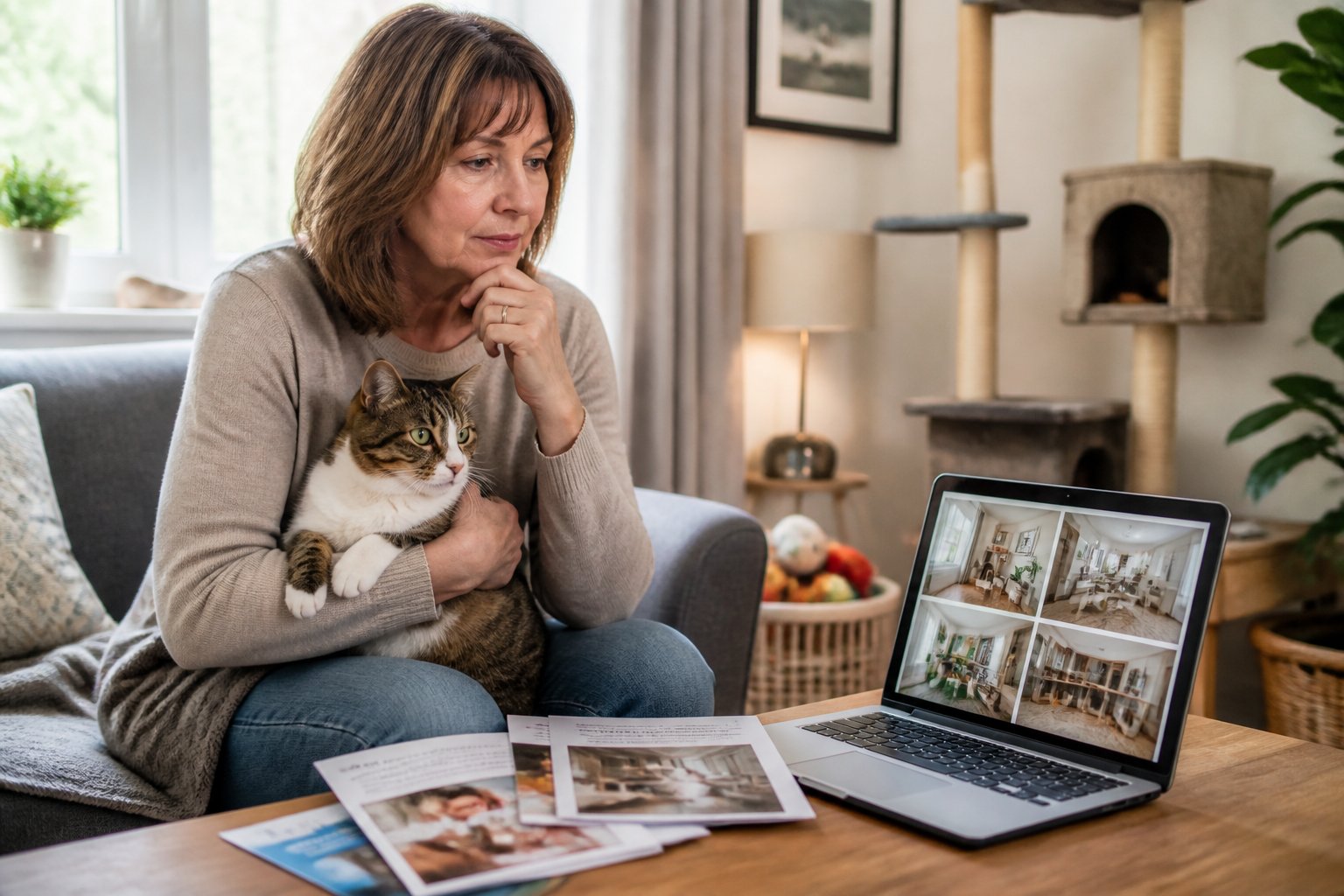
The choice between a cattery, a cat hotel, and in-home visits comes down to your cat’s temperament, any health needs they have, and how long you’ll be away. Some cats adapt well to short boarding stays, while others become anxious the moment they leave the front door.
Looking for a reliable alternative to boarding? Learn more about our Sheffield cat sitting services.
When A Cattery Can Work Well
A good cattery can suit confident, sociable cats who cope well with change. Cats who have been introduced to boarding from a young age sometimes adjust without too much difficulty.
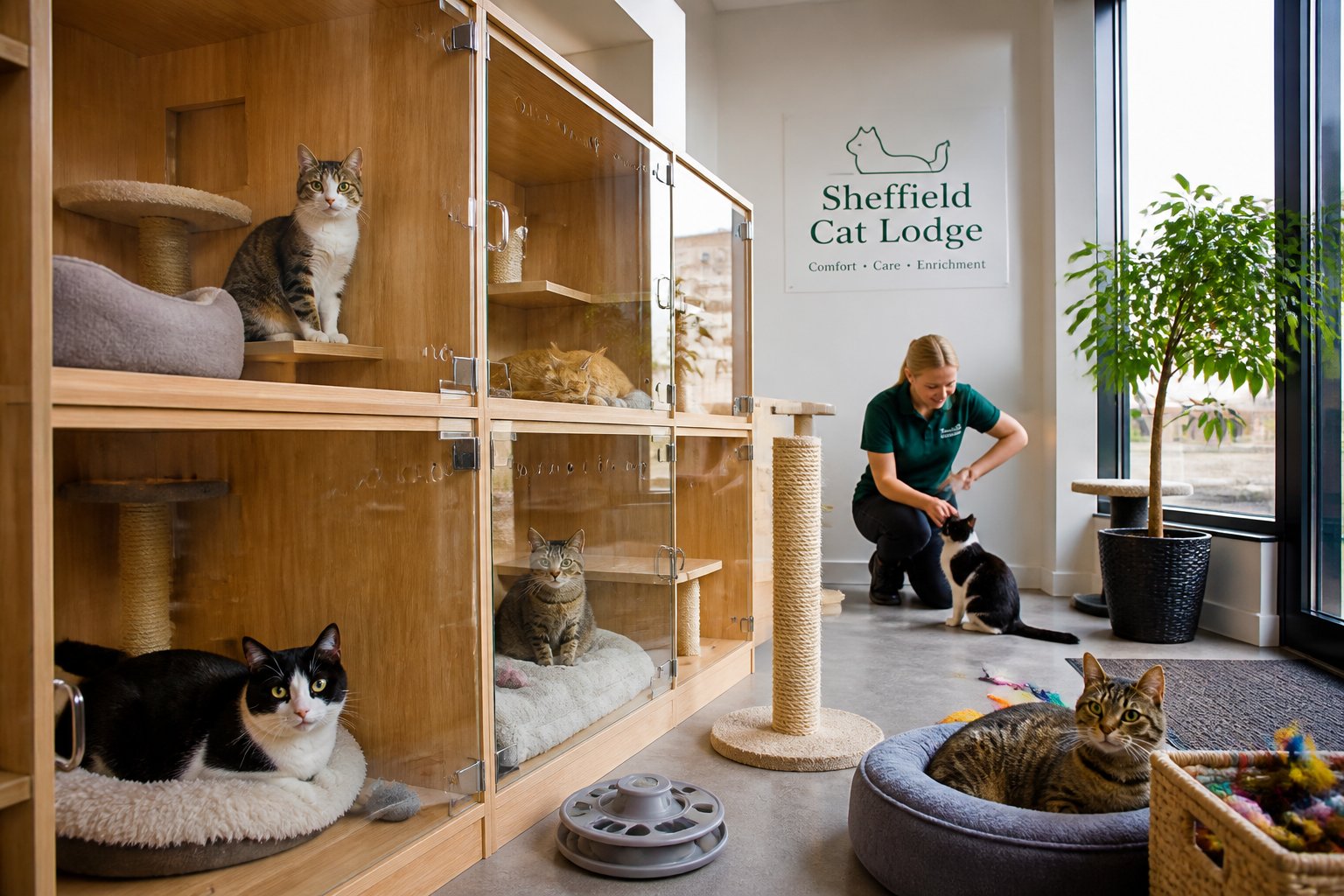
If your cat needs constant medical supervision, a licensed boarding facility with experienced staff might also be a practical option. Some Sheffield catteries offer heated individual pens, outdoor views, and daily interaction, which can help ease the transition.
Short stays of a night or two tend to be less disruptive than longer ones. If your cat has stayed in a cattery before without showing signs of stress, it may continue to work for them.
Why Many Cats Settle Better At Home
Most cats are creatures of habit. They rely on familiar scents, sounds, and hiding spots to feel safe. Removing them from that environment can trigger anxiety, loss of appetite, and behavioural changes.
In-home cat sitting preserves everything your cat depends on. Their food bowls stay in the same place. Their favourite sleeping spot is right where they left it. There’s no carrier, no car journey, and no unfamiliar animals nearby.
I’ve found that nervous cats especially benefit from staying at home. As a qualified Usui Reiki Master, I bring a calm, gentle energy to every visit, which makes a real difference with anxious or timid cats.
How To Decide Based On Your Cat’s Personality
Ask yourself a few simple questions. Does your cat hide when visitors arrive? Do they dislike car journeys? Have they ever come home from a cattery off their food or withdrawn?
If the answer to any of those is yes, home visits are almost certainly the better fit. Confident, outgoing cats with boarding experience might cope with either option, but even then, staying home removes unnecessary disruption.
Why Travel And Kennels Can Be Stressful For Cats
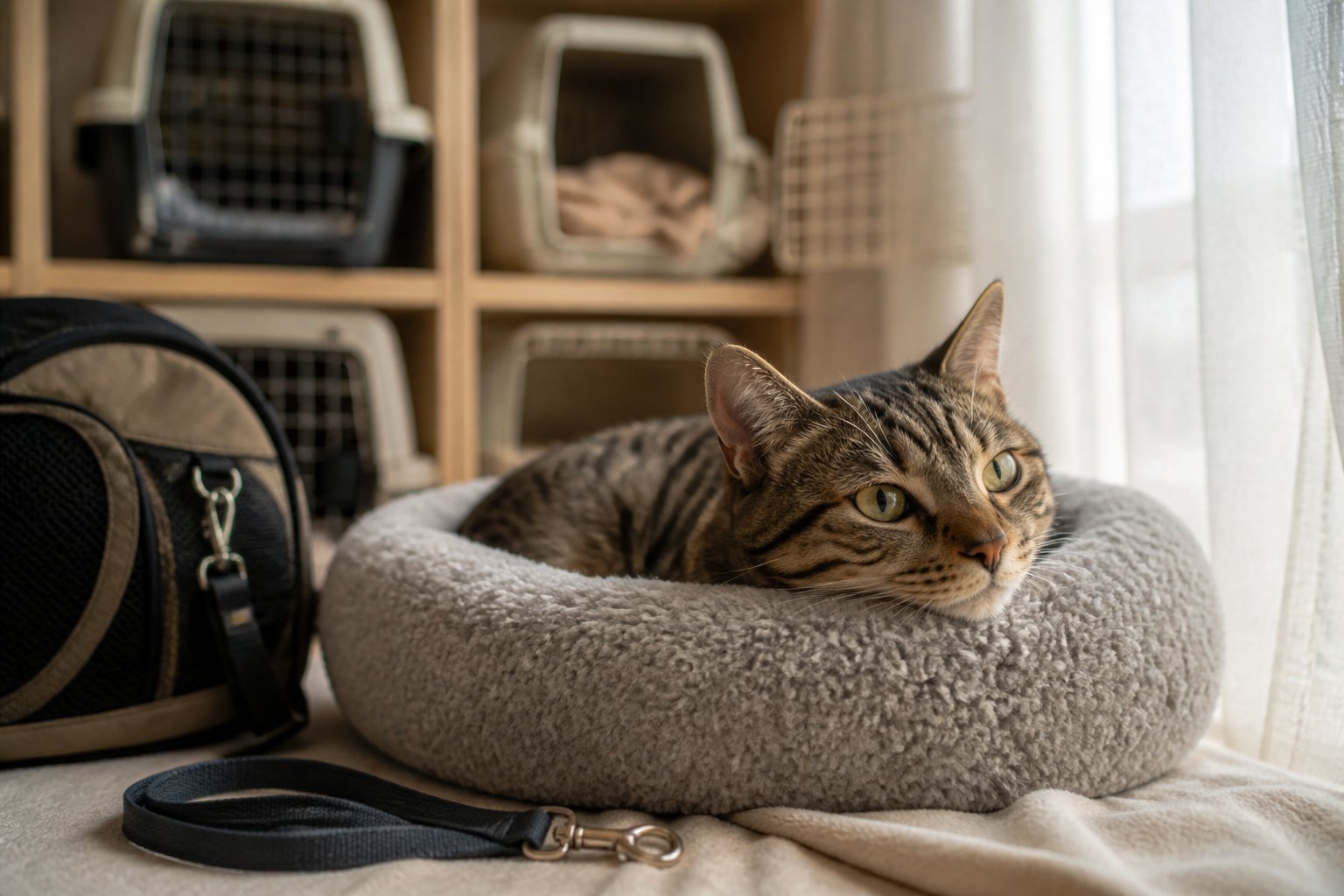
Cats react to environmental change very differently from dogs. Their strong attachment to territory and routine means that even a well-run boarding facility can cause genuine distress for many felines.
Cats Are Territorial By Nature
Unlike dogs, who are generally social and adaptable, cats build their sense of security around their physical environment. They mark territory with scent glands on their cheeks, paws, and body, creating an invisible map of “safe space” around your home.
When a cat is moved to a cattery, every single scent marker disappears. They’re surrounded by unfamiliar smells, including other cats, cleaning products, and different people. This loss of territorial familiarity can feel deeply unsettling.
Common Boarding Stress Triggers
Several specific things tend to cause stress in boarding settings:
-
The carrier and car journey can trigger fear before the cat even arrives.
-
Proximity to unfamiliar cats raises anxiety, especially for cats who live as sole pets.
-
New feeding schedules and food bowls disrupt established routines.
-
Unfamiliar noises such as other animals vocalising, doors closing, and general facility sounds can keep cats on edge.
-
Reduced hiding opportunities in some boarding setups leave cats feeling exposed.
Even catteries that provide individual pens, heating, and daily enrichment cannot replicate the cat’s own home environment.
Signs Your Cat May Prefer Home Care
After a cattery stay, watch for these indicators that your cat found the experience stressful:
-
Reduced appetite or refusal to eat for a day or more after returning home
-
Excessive grooming or fur loss
-
Hiding for extended periods once they’re back
-
Toileting outside the litter tray
-
Increased vocalisation or clinginess
If you’ve noticed any of these after previous boarding stays, in-home visits are worth trying. I’ve seen many cats transform from stressed, withdrawn boarders into relaxed, happy pets simply by staying in their own space.
What In-Home Cat Sitting Looks Like With K9 Time
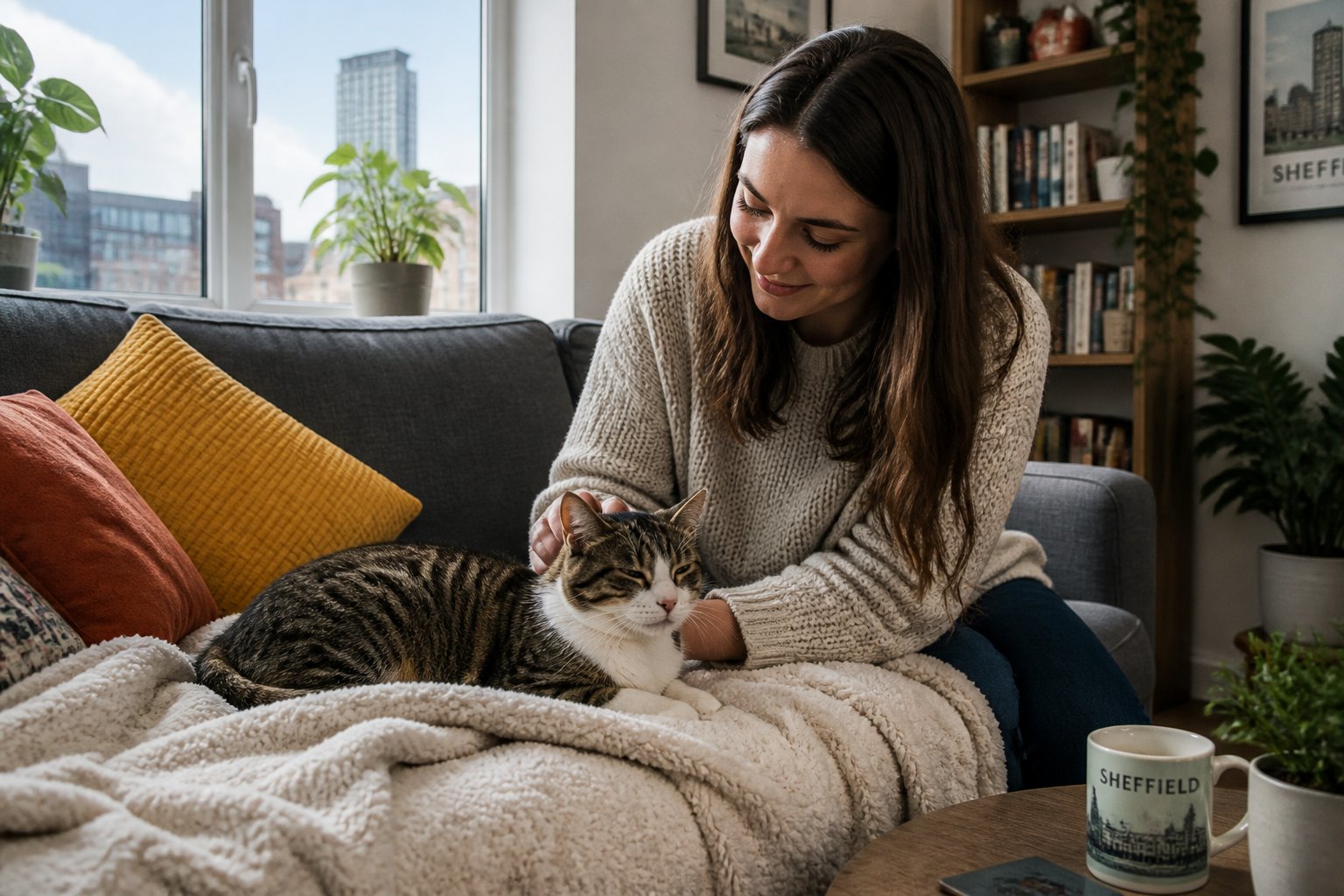
My cat sitting service is built around keeping everything as normal as possible for your cat. Every visit follows your cat’s existing routine rather than imposing a new one, and you’ll receive real-time updates so you know exactly how they’re getting on.
Typical Visit Routine And Daily Care
I typically visit twice a day, and each visit is tailored to what your cat actually needs. A standard visit includes:
-
Feeding and providing fresh water
-
Cleaning and replenishing the litter tray
-
Playtime and interaction
-
Cuddles and attention for cats who enjoy it
Visit lengths are flexible. You can book 15-minute check-ins at £14 each or 30-minute visits at £20 each, depending on how much time your cat needs.
For cats on medication, I’m happy to administer treatments as part of the visit. Everything is arranged during the free meet and greet beforehand so there are no surprises.
Photo And Video Updates Through The App
One of the things my clients appreciate most is the free mobile app that comes with the service. After every visit, I send a report along with photos and videos of your cat.
You can see exactly what they’ve eaten, how their litter tray looked, and what they got up to during playtime. It’s a simple thing, but it makes a genuine difference when you’re away. Instead of worrying, you get a little snapshot of your cat looking content in their own home.
Extra Help Around The Home While You’re Away
Regular visits don’t just benefit your cat. They also help keep your property looking lived-in, which is a real bonus for home security while you’re on holiday.
As part of my visits, I can take care of small practical tasks such as watering plants, bringing in the post, and taking out rubbish. These little extras mean one less thing to arrange before you go away.
Comparing Local Sheffield Boarding Options
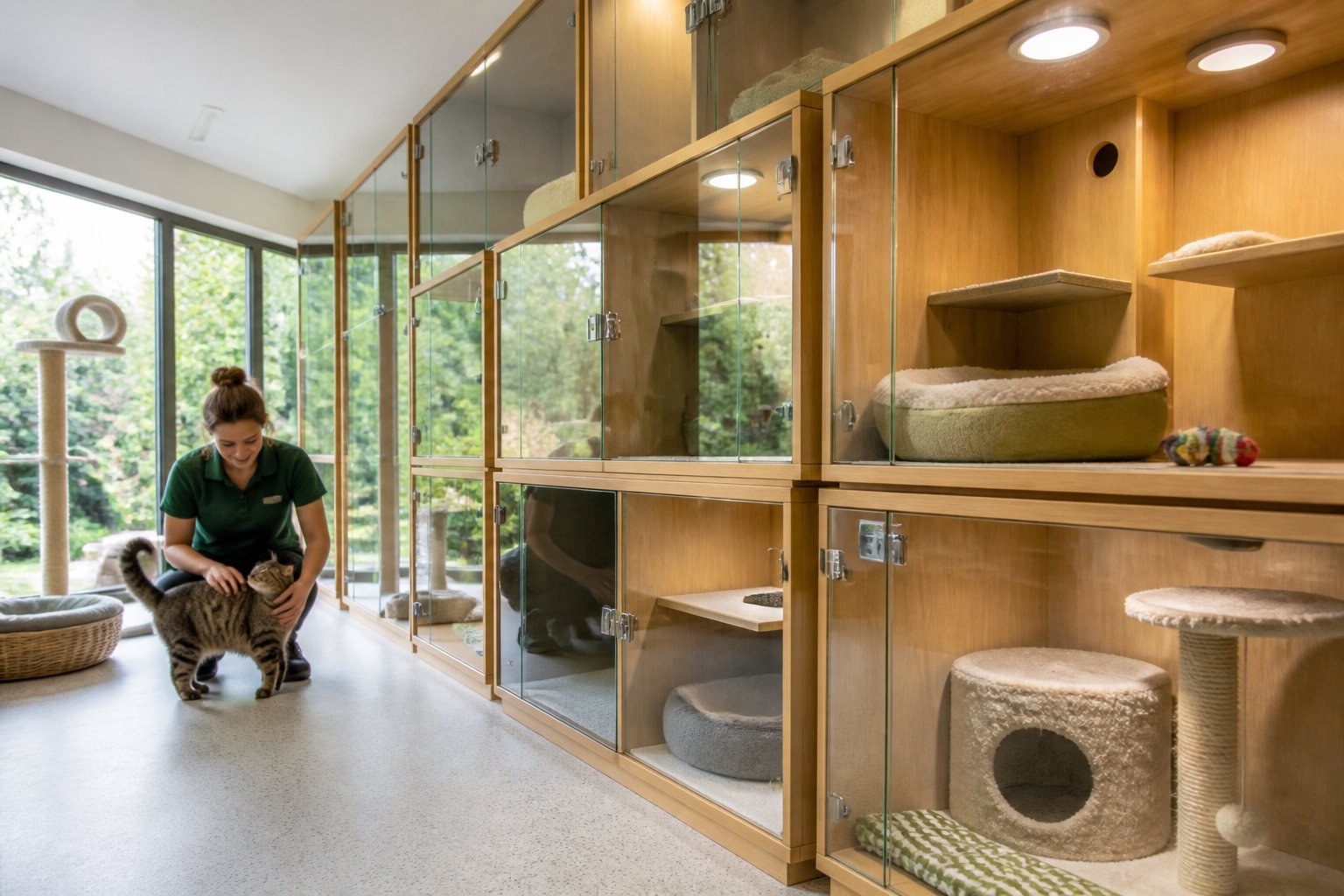
Sheffield has a reasonable number of boarding catteries, and it’s worth knowing what to look for if you do decide to explore that route. Whether you end up choosing boarding or home visits, asking the right questions protects your cat.
What To Look For In A Good Boarding Setup
A reputable boarding facility should hold a valid local authority licence. This confirms they meet minimum welfare standards for space, hygiene, and care.
Beyond the licence, look for:
-
Individual pens rather than shared spaces, so your cat isn’t forced into close contact with others
-
Heating and ventilation that keeps the environment comfortable year-round
-
Daily interaction from staff who take time to engage with each cat
-
Clean, well-maintained facilities with no strong odour of ammonia or waste
-
A viewing visit before you book, so you can see the setup first-hand
Examples Of Local Providers Owners May Research
If you’re comparing options, you’ll likely come across several established names. Centre Barks at Moscar (formerly Moscar Kennels) is a family-run facility on Manchester Road that has been operating for over 70 years, offering kennels, cattery, and small animal boarding. Anston Kennels is another option pet owners in the wider area may research.
Other Sheffield catteries include Smile Cattery on Lightwood Lane, Roslyn Mews Cattery, and smaller independent setups dotted around the city. Several describe themselves as luxury or five-star facilities.
Each has different strengths, and a personal visit is always the best way to judge whether a place feels right for your cat.
Questions To Ask Before You Book
Before committing to any boarding facility, I’d suggest asking:
-
What is the staff-to-cat ratio?
-
How often will my cat receive individual attention?
-
Can you accommodate special dietary needs or medication?
-
What happens if my cat becomes unwell during their stay?
-
Can I visit the facility before booking?
-
What is your cancellation policy?
These questions apply equally whether you’re considering a cattery or an in-home sitter. The answers will tell you a lot about how seriously the provider takes your cat’s welfare.
Why Owners Trust Me With Their Cats
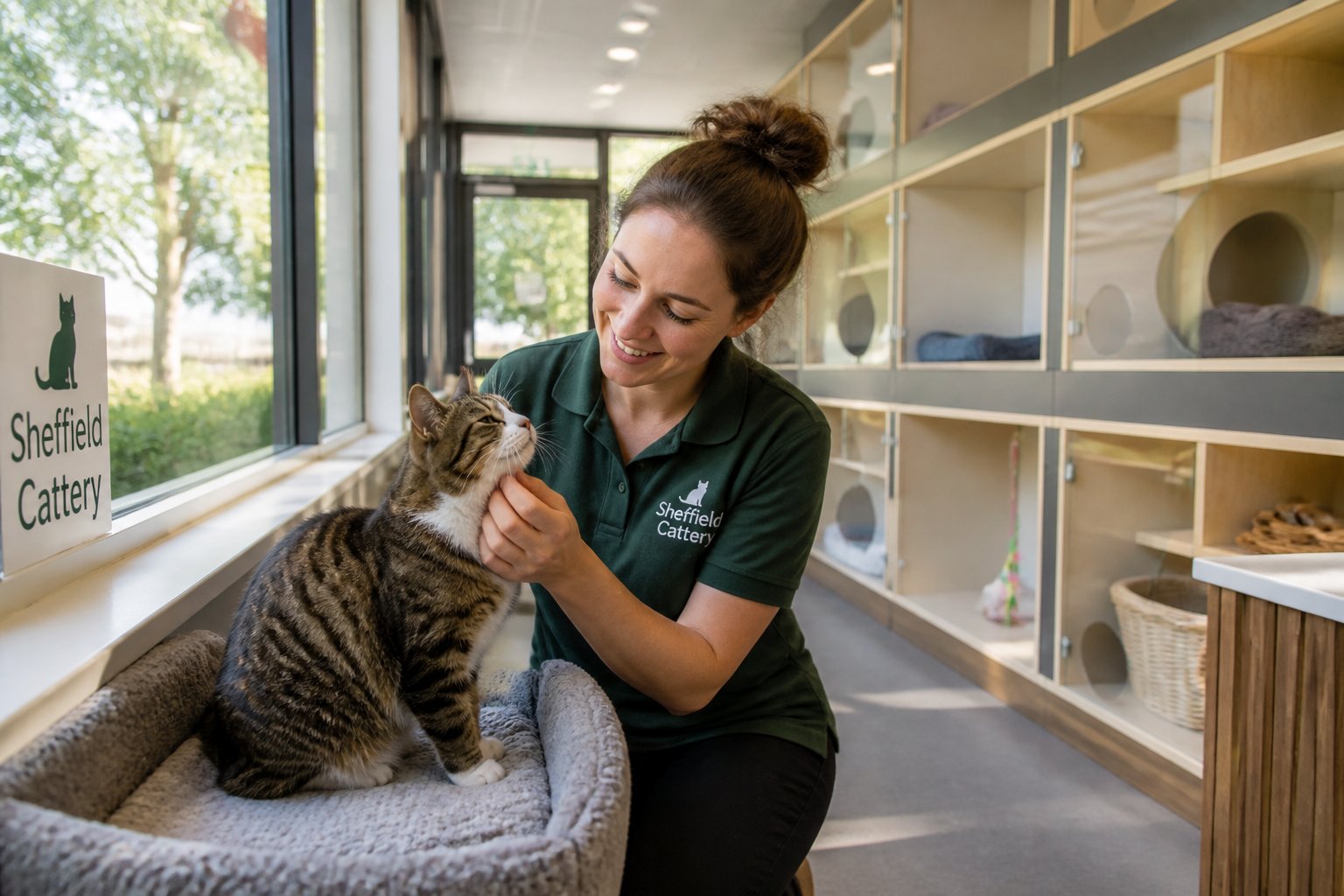
Trust is everything when you’re handing over the care of your cat to someone else. I’ve built my reputation on reliability, professionalism, and a genuine love for the animals I look after.
My 25 Plus Years Of Pet Care Experience
I’ve been caring for animals for more than 25 years. Over that time, I’ve shared my life with six dogs, seven cats, two horses, and two Shetland ponies, so I understand pet ownership from every angle.
That experience means I’ve encountered just about every temperament, health condition, and quirk a cat can have. Whether your cat is bold and sociable or shy and easily spooked, I know how to read their body language and adjust my approach accordingly.
I’m also a member of NarpsUK, the UK’s professional pet sitting network, which holds members to clear standards of care and conduct.
Insurance, DBS Checks And Professional Standards
Every visit I carry out is fully insured, giving you financial protection and peace of mind. I’m also DBS checked (formerly CRB checked), which means I’ve been vetted to work in people’s homes.
On top of that, I’m trained in dog first aid, which gives me a solid grounding in recognising and responding to medical emergencies across species. These aren’t just tick-box credentials. They’re the foundation of a service you can rely on.
A Calm Approach For Nervous And Anxious Cats
Some cats need more than just practical care. They need someone who understands how to create a calm, reassuring presence.
I’m a qualified Usui Reiki Master, and while that might sound unusual for a pet sitter, it genuinely helps. Reiki training develops a deep awareness of energy and stillness, which I bring into every interaction with anxious animals. Nervous cats often respond to quiet, unhurried movements and a gentle voice. I never rush a visit, and I let each cat set the pace for interaction.
The result is that even the most timid cats tend to relax with me over time.
Areas I Cover And Booking The Right Care
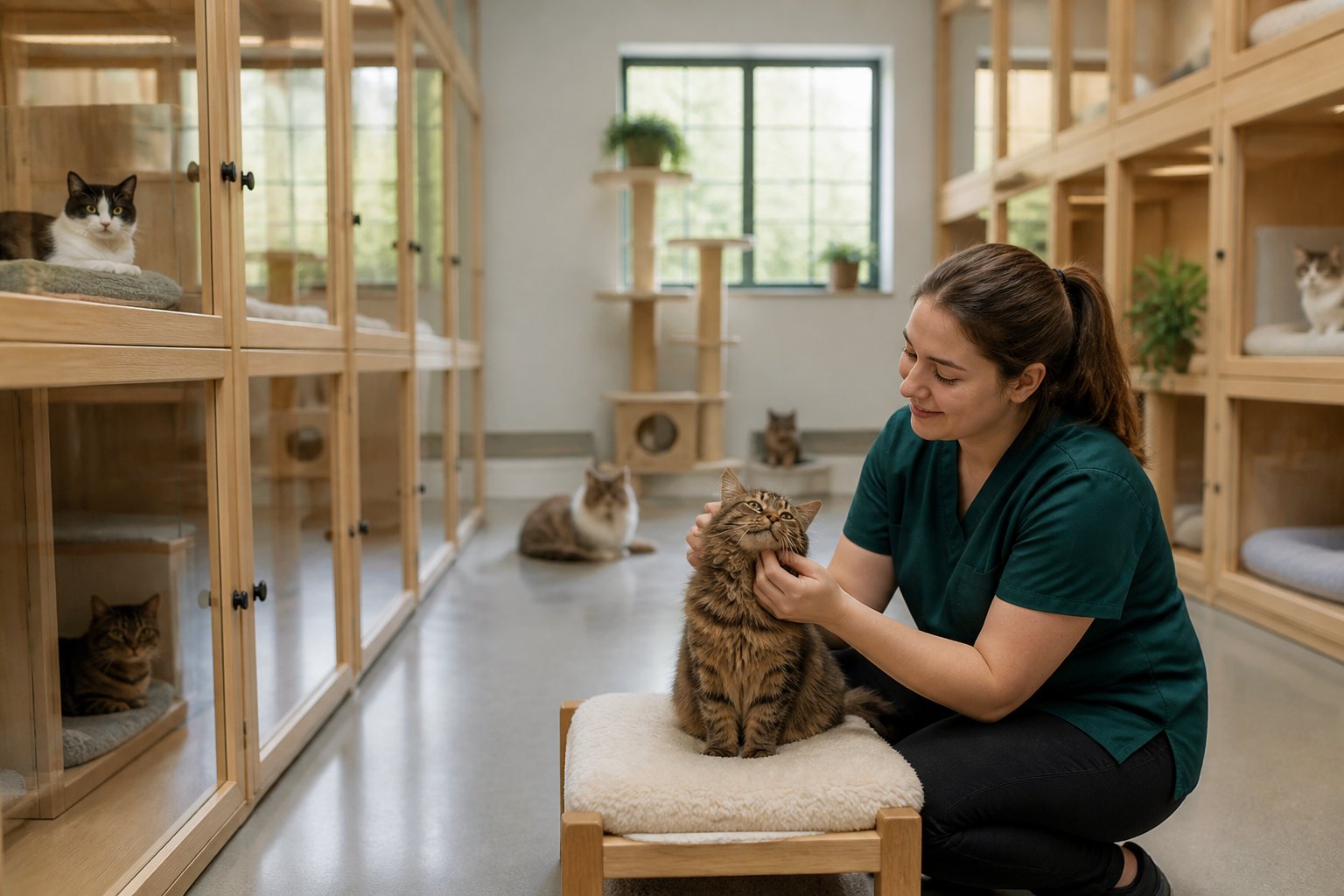
I cover a wide area across south-west Sheffield, and the booking process is designed to be simple and pressure-free. Everything starts with a conversation about your cat.
Postcodes And Neighbourhoods I Serve
My cat sitting service covers Sheffield postcodes S7, S8, S10, S11, and S17. That includes a wide range of neighbourhoods:
-
Ecclesall, Millhouses, and Hunter’s Bar
-
Crookes, Crosspool, and Broomhill
-
Dore, Totley, and Bradway
-
Nether Edge, Sharrow Vale, and Brincliffe
-
Fulwood, Ranmoor, and Lodge Moor
-
Beauchief, Greenhill, and Whirlow
-
Greystones, High Storrs, and Ringinglow
-
Bents Green, Nether Green, Endcliffe, and Broomhall
-
Abbeydale and Carterknowle
If you’re not sure whether your address falls within my area, just get in touch and I’ll let you know.
How The Free Meet And Greet Works
Before any care begins, I offer a free 30-minute meet and greet at your home. There’s absolutely no obligation attached.
During this visit, I get to meet your cat in their own environment. I learn about their routine, feeding preferences, any health needs, favourite spots, and personality quirks. It also gives your cat a chance to get used to my scent and presence before I start visiting on my own.
This step is essential. It means that when you do go away, your cat has already met me and feels more comfortable with my visits.
Matching Visit Frequency To Your Cat’s Routine
Most of my cat sitting clients book two visits per day, which works well for the majority of cats. This gives enough time for feeding, litter tray maintenance, playtime, and companionship without over-stimulating a cat that values its independence.
For cats who need more frequent check-ins, perhaps due to medication schedules or anxiety, I’m happy to discuss additional visits. Everything is flexible and built around what your cat actually requires, not a one-size-fits-all package.
Frequently Asked Questions
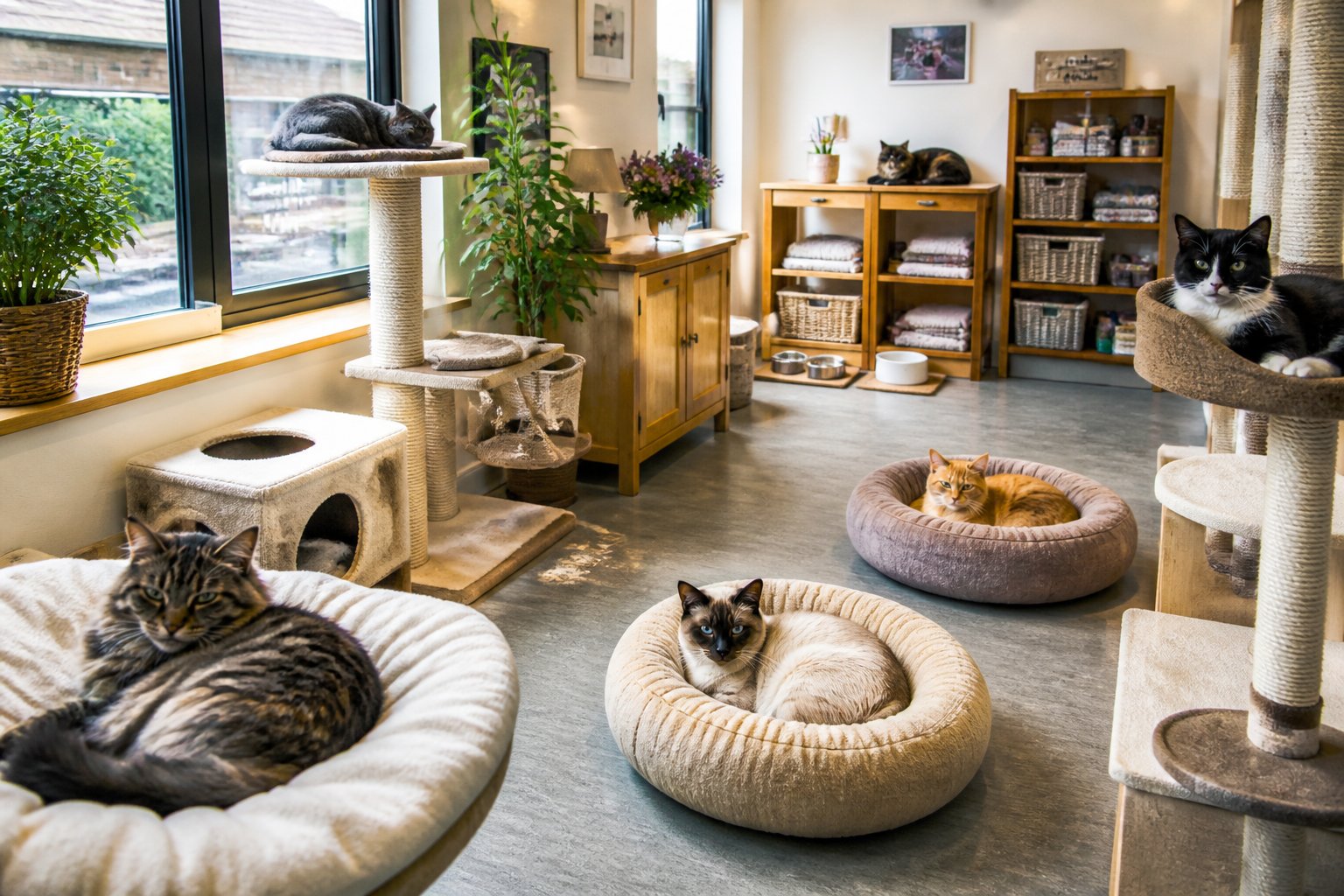
How much does it cost per day to board a cat?
Cattery prices in Sheffield typically range from around £10 to £20 per day depending on the facility, pen size, and level of care included. Luxury or boutique catteries with larger suites and added extras tend to charge at the higher end. My in-home cat sitting visits start at £14 for 15 minutes or £20 for a 30-minute visit, with most clients booking two visits per day.
What’s included in the daily boarding price?
Most catteries include basic accommodation, feeding, fresh water, and daily cleaning in their standard rate. Some charge extra for premium food, larger pens, or additional playtime. With my in-home service, each visit includes feeding, fresh water, litter tray cleaning and replenishing, playtime, cuddles, and a full report with photos and videos through the free app.
Are there any luxury boarding options available nearby?
Sheffield has several facilities that market themselves as luxury or five-star options. Aristocat Luxury Cat Hotel serves Sheffield and surrounding areas, and Smile Cattery on Lightwood Lane describes itself as offering five-star care with individually heated pens. A few home-based cat boarding services also position themselves as premium alternatives to traditional catteries.
Which places are rated best for cat boarding locally?
Roslyn Mews Cattery, Smile Cattery, and Meadow Farm Cattery all receive positive reviews from Sheffield cat owners. Centre Barks at Moscar is a long-established family-run facility. Ratings vary across review platforms, so I’d always recommend visiting in person and asking the questions listed earlier in this article before making a decision.
How far in advance do I need to book during school holidays?
School holidays, especially summer and Christmas, are the busiest times for both catteries and in-home sitters. Many Sheffield catteries fill up weeks or even months in advance for peak periods. I’d recommend booking at least four to six weeks ahead for holiday cover, and earlier if possible to secure your preferred dates.
How long can a cat comfortably stay in boarding?
Most cats can manage a few days in a well-run cattery without major issues, though stress levels vary widely. Stays longer than a week tend to be more challenging, particularly for anxious or senior cats. For extended trips, in-home cat sitting is often the gentler option because it removes the environmental disruption entirely and keeps your cat settled in familiar surroundings.