
Walking a reactive dog is one of the most stressful things a pet owner can face.
I know this because, with over 25 years of professional pet care experience, I’ve walked hundreds of dogs who bark, lunge, or freeze at the sight of another dog, a cyclist, or even a rustling bin bag.
The right harness won’t cure reactivity, but it can make a genuine difference to your dog’s stress levels and your ability to keep everyone safe.
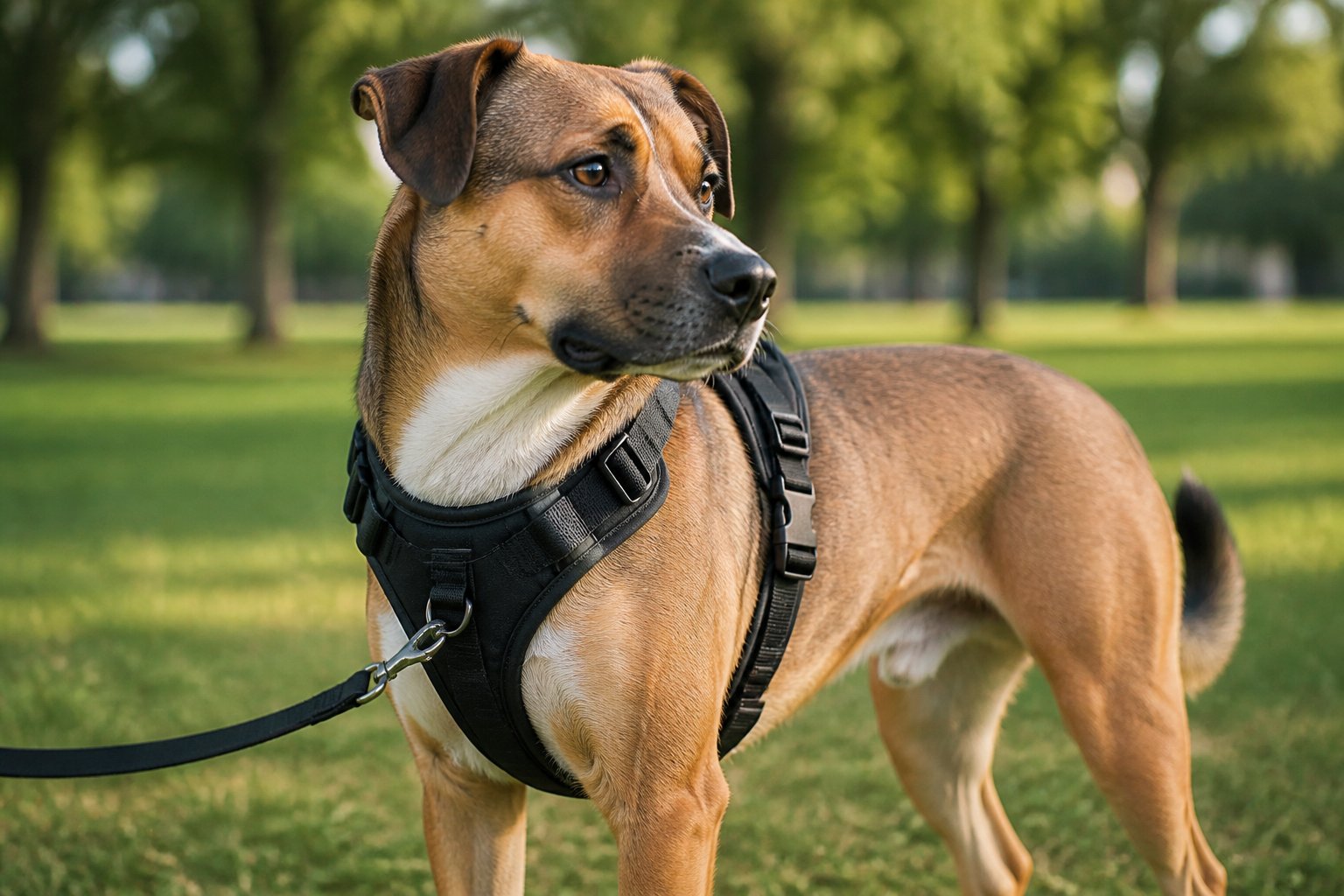
A front-clip, Y-shaped harness with escape-proof adjustment points is the single most important piece of equipment you can buy for a reactive dog.
I’ve tested and observed the effects of many harness styles on nervous, reactive, and “woofy” dogs during my solo walks across Sheffield with K9 Time.
The difference between a good harness and a bad one is night and day.
A poorly fitted back-clip harness gives a lunging dog all the leverage they need.
A well-fitted front-clip harness redirects their momentum, breaks the cycle of arousal, and helps them settle faster.
At K9 Time, I only do one-to-one dog walks for exactly this reason.
Reactive dogs need calm, individual attention, not the chaos of a pack walk where triggers are everywhere.
If you’re in Sheffield and want to chat about your reactive dog’s needs, book a free 30-minute meet and greet with K9 Time.
There’s no obligation, just a friendly conversation about what your dog needs.
Key Takeaways
- A front-clip, Y-shaped harness reduces pulling force and helps interrupt a reactive dog’s lunge before it escalates.
- Escape-proof designs with multiple adjustment points are essential because reactive dogs twist, thrash, and back out of loose harnesses.
- The best harness in the world still needs to be paired with calm, one-to-one handling and an awareness of your dog’s body language.
1) K9 Time Solo Reactive Dog Walks In Sheffield
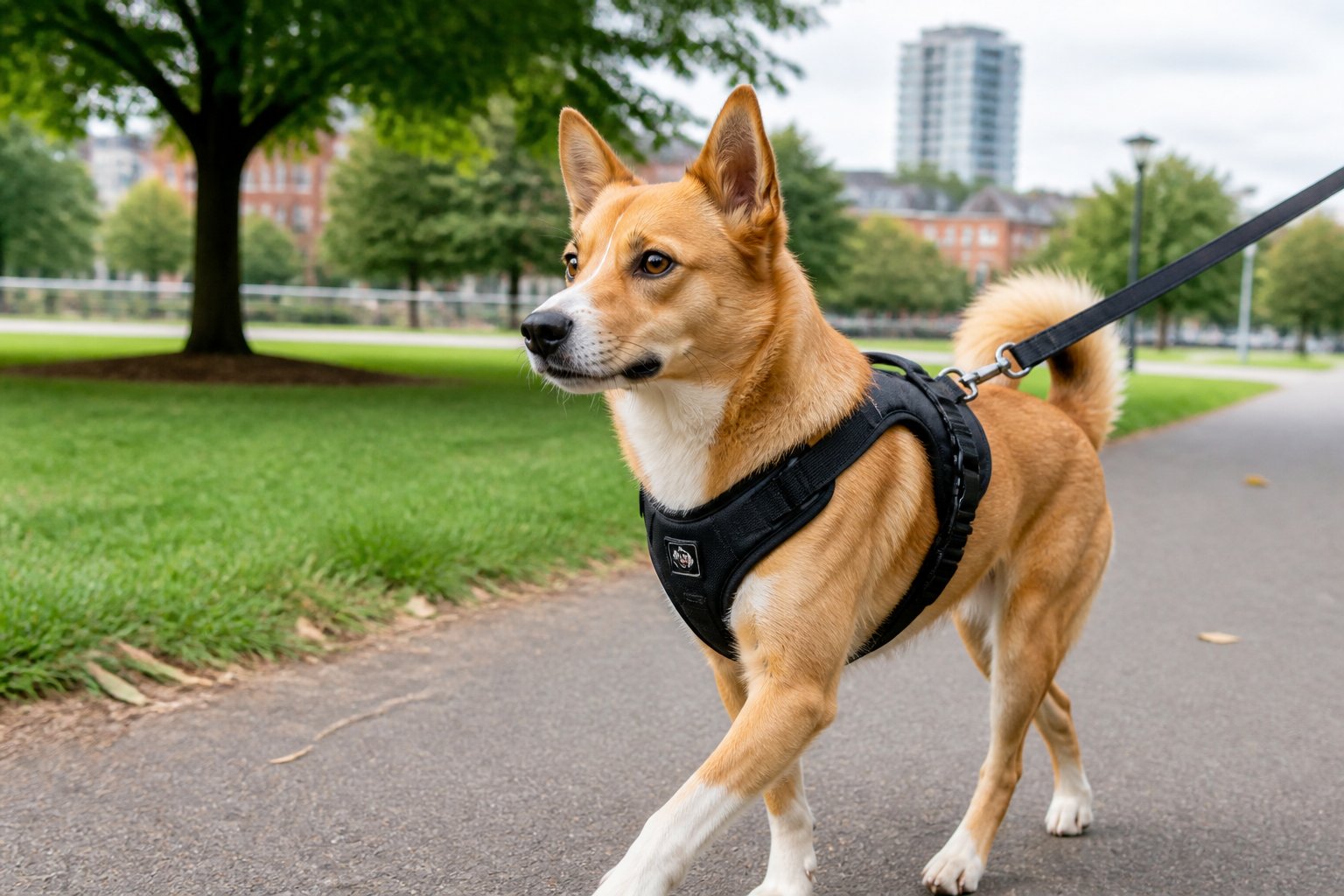
Before I get into specific harness recommendations, I want to explain why I built K9 Time around solo dog walking rather than group walks.
It’s directly relevant to everything that follows.
A reactive dog in a group walk is a dog set up to fail.
They’re surrounded by triggers, overwhelmed by other dogs’ energy, and unable to focus or decompress.
Every walk becomes a stress event.
I’ve seen it too many times.
That’s why K9 Time only walks dogs one at a time, or up to three dogs from the same household.
When I walk a reactive dog solo, I can choose quieter routes, manage distance from triggers, and watch their body language closely.
I can spot the ear prick, the stiffened tail, the weight shift forward before they even start to react.
That early reading gives me time to redirect, create space, and keep the dog under threshold.
Every walk is GPS-tracked, and owners get reports, photos, and videos through a free mobile app.
For reactive dog owners, this is especially valuable.
You can see the route I took, how your dog responded, and what progress looks like over time.
I’m fully insured, DBS checked, and trained in dog first aid.
As a Certified Third Degree Master Practitioner in Usui Reiki, I also bring a calm, grounded energy to every walk.
Dogs pick up on handler stress instantly.
A nervous handler with a tight grip and shallow breathing will push a reactive dog over threshold faster than any trigger will.
Calm handling is not a luxury; it’s a necessity.
I serve areas across Sheffield including Ecclesall, Nether Edge, Abbeydale, Dore, Totley, Millhouses, Crosspool, Crookes, Broomhill, and many more across the S7, S8, S10, S11, and S17 postcodes.
2) How To Choose The Right Harness For A Reactive Dog
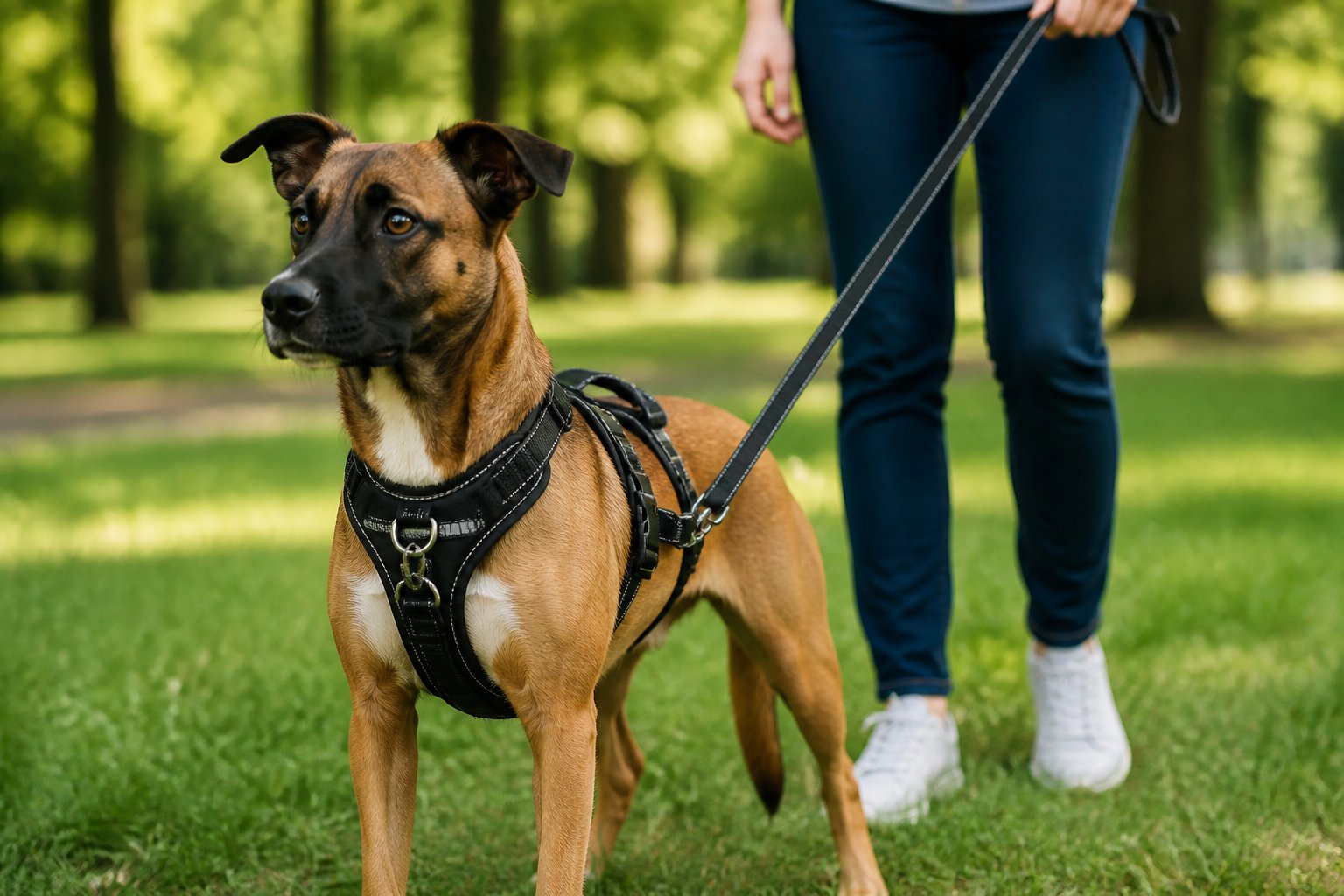
Not all harnesses are created equal, and for reactive dogs the differences really matter.
I’ve walked dogs in cheap pet shop harnesses that slip, ride up, and offer zero control.
I’ve also walked dogs in well-designed harnesses that visibly change their posture and behaviour within minutes.
Here’s what I look for.
Why A Front Clip Matters More Than A Back Clip
This is non-negotiable for me.
A back-clip harness attaches the lead between the shoulder blades, which gives a lunging dog maximum leverage.
It’s like strapping them into a pulling machine.
They lean into it, engage their chest muscles, and drag you forward.
A front-clip harness attaches at the chest.
When the dog lunges, the lead redirects their momentum sideways, turning them back towards you.
This breaks the forward charge through physics, not force.
I’ve watched dogs go from full-throttle lunges to confused pauses in a single walk after switching to a front clip.
For reactive dogs, that interruption is everything.
It breaks the arousal cycle and creates a moment where the dog can think instead of just reacting.
Escape-Proof Fit And Adjustment Points
Reactive dogs thrash, twist, spin, and try to reverse out of their harness during a reaction.
If the harness has only two adjustment points, it’s almost impossible to get a secure custom fit.
I look for at least four adjustment points: two at the chest and two at the belly or sides.
The two-finger rule is my go-to test.
I slide two fingers under every strap.
If I can grab a handful of fabric, it’s too loose.
If I can barely fit one finger, it’s too tight.
A snug, even fit across the chest and ribs stops the harness shifting during a lunge.
A belly strap or third attachment point around the girth is especially important for dogs who back out of harnesses.
I’ve had a few close calls over the years with dogs slipping free during reactions, and it’s one of the most dangerous situations you can face.
Y-Shaped Design
The front of the harness should form a Y on the dog’s chest, with the straps sitting on the breastbone rather than crossing over the shoulders.
This is a detail many owners overlook, but it makes a big difference to how the dog moves and feels.
A harness that cuts across the top of the shoulders restricts the dog’s natural gait.
Over time, this can cause discomfort, altered movement patterns, and increased frustration.
For a reactive dog already running on high stress, any added physical irritation pushes them closer to their threshold.
A Y-shaped front lets the shoulders move freely while still providing a secure attachment point for the lead.
Padding And Shoulder Freedom
When a reactive dog lunges, all the force transfers through the harness contact points in a split second.
Without padding, this creates sharp pressure points that bruise, chafe, and cause pain.
I always recommend harnesses with padded chest plates and soft-lined straps.
Foam or fleece lining distributes the force over a wider area.
Comfortable dogs are calmer dogs.
If a harness pinches or rubs, it adds to the dog’s baseline stress, which means they hit their trigger point faster and react more intensely.
Handles, Reflective Details And Double-Ended Leads
A sturdy back handle is essential for reactive dog walking.
There will be moments when you need to physically guide your dog away from a trigger, fast.
A grab handle on top of the harness gives you instant control without scrambling for the lead or the harness straps.
Reflective stitching matters too.
Many reactive dog owners prefer early morning or late evening walks when fewer people and dogs are about.
Visibility keeps everyone safer.
I also recommend pairing a front-clip harness with a double-ended lead.
One clip goes to the front chest ring, the other to the back ring.
This gives you two points of contact and much better steering ability during reactions.
It’s the setup I use most often with reactive dogs on K9 Time walks.
3) What I Watch In A Dog’s Body Language On Walks
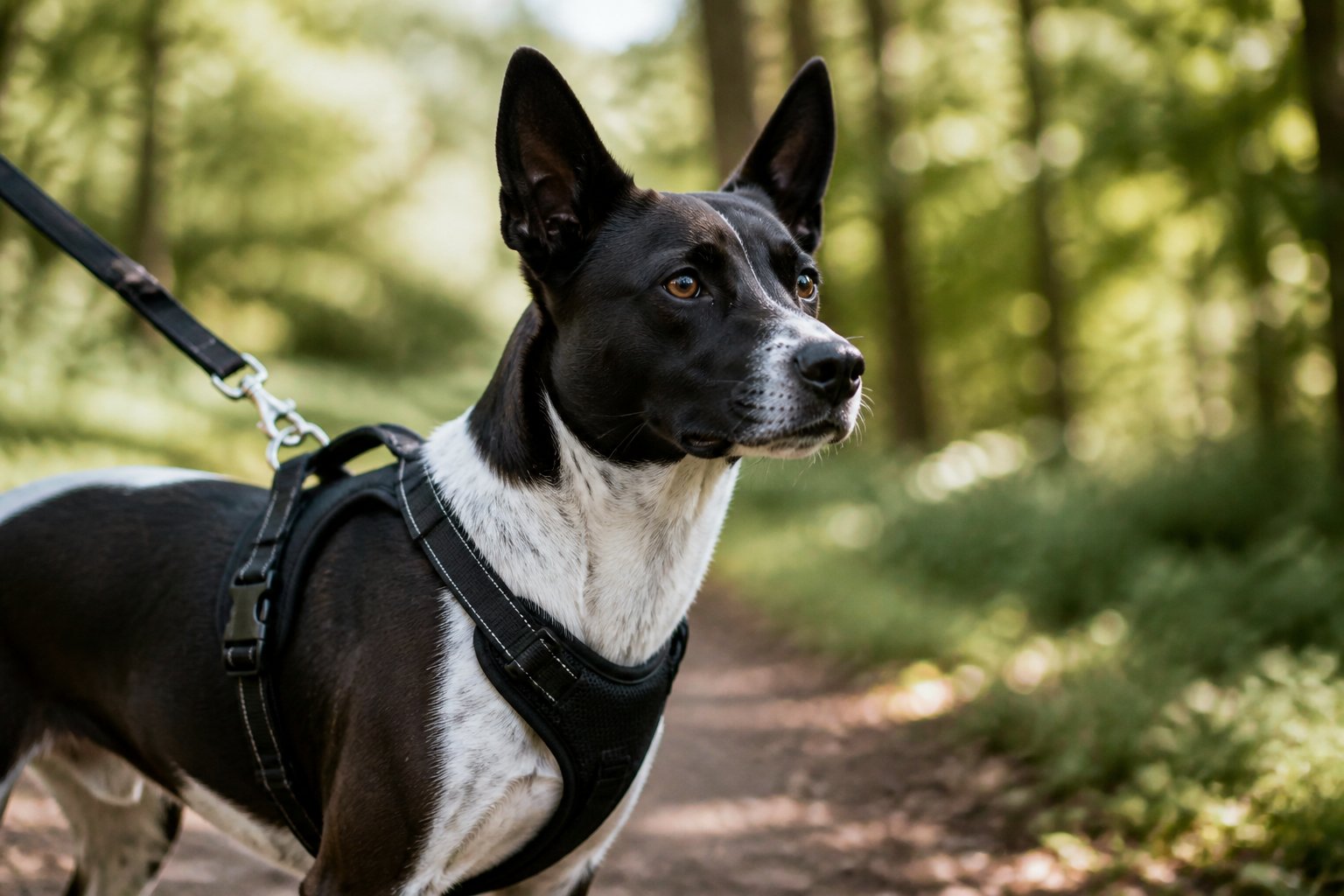
A harness is only as good as the handler’s ability to read the dog wearing it.
Over 25 years of walking dogs solo, I’ve learned to watch body language constantly.
The harness you choose directly affects the signals your dog gives off.
Signs A Harness Is Lowering Stress
When a reactive dog is wearing the right harness and walking one-to-one with a calm handler, I see clear positive shifts.
The mouth softens.
The ears relax from a pinned-back or hard-forward position to a neutral carry.
The tail drops from a stiff, high flag to a loose, natural wag or carry.
I also notice fewer hard stares.
A reactive dog approaching a trigger in a front-clip harness often breaks eye contact more easily because the redirection interrupts their fixation.
They look away, sniff the ground, or check in with me instead of locking on.
These are all signs the dog is staying under threshold.
Signs A Harness Is Adding Frustration
The wrong harness tells you immediately through the dog’s body.
I watch for exaggerated scratching at the harness, which usually means it’s rubbing or pinching somewhere.
Lip licking and yawning before the walk even starts suggest the dog has learned to associate the harness with discomfort.
A dog whose shoulders are restricted by a cross-chest strap will often have a shortened, stilted gait.
They look stiff and uncomfortable.
This physical restriction raises their arousal level before they’ve even encountered a trigger.
I also pay attention to whether the dog is leaning harder into the harness.
A back-clip design actually encourages opposition reflex, the natural instinct to push against pressure.
If the dog is pulling harder in the harness than on a lead, the equipment is working against you.
When Equipment Is Not Enough On Its Own
I want to be honest about this. A harness is a management tool, not a training programme.
The best harness in the world won’t fix reactivity on its own. It buys you time, space, and control so that training can actually work.
Some dogs need professional behavioural support alongside good equipment. If your dog’s reactivity is severe, escalating, or fear-based, please speak to a qualified behaviourist.
I always recommend force-free, reward-based approaches.
What I can offer through K9 Time is calm, consistent, solo walking that supports whatever training plan your dog is on. Every walk I do is tailored to the individual dog’s energy level, behaviour, and needs.
That consistency matters enormously for reactive dogs.
4) Before You Buy: Fit, Safety And Support

Getting the right harness is only half the job. Fitting it properly and pairing it with the right walking approach is what actually makes the difference.
How To Check The Fit Properly
I always fit a harness with the dog standing naturally, not sitting or lying down. Start by adjusting the neck opening so it sits comfortably without pressing on the throat.
Then adjust the chest and belly straps so the harness sits snugly against the ribs. Use the two-finger test under every strap.
Two fingers should slide underneath with a bit of resistance. Check that the front chest plate sits squarely on the breastbone, not off to one side.
The back ring should sit between the shoulder blades, and the front ring should be centred on the chest. After fitting, walk the dog around for five minutes and recheck.
Harnesses shift during movement, and you’ll often need to tighten one strap or loosen another once the dog is in motion. For reactive dogs, I recommend rechecking the fit every few weeks.
Weight changes, coat growth, and muscle development can all alter how the harness sits.
Why Reactive Dogs Benefit From One-To-One Walks
Reactive dogs in group walks face constant trigger exposure. Every other dog in the group is a potential source of stress, arousal, or conflict.
K9 Time walks are always one-to-one. I walk dogs individually so I can manage the environment, choose quiet routes, control the pace, and give the dog my full attention.
This approach lets me spot early warning signs, create distance from triggers, and reward calm behaviour in the moment. The best harness in the world can’t compensate for a chaotic, overstimulating walking environment.
Booking A Free Meet And Greet With K9 Time
If you’re in Sheffield and you’ve got a reactive, nervous, or woofy dog who needs calm, professional solo walking, I’d love to meet you both. K9 Time offers a free 30-minute meet and greet with no obligation.
I’ll come to your home, meet your dog, learn about their triggers and needs, and explain exactly how I’d handle their walks. I’m fully insured, DBS checked, and trained in dog first aid.
I cover Ecclesall, Dore, Totley, Millhouses, Nether Edge, Broomhill, Crookes, Crosspool, and many more areas across S7, S8, S10, S11, and S17. Call me for a friendly chat about your dog.
No pressure, just honest advice from someone who walks reactive dogs every day.
5) Frequently Asked Questions

Are harnesses better than collars for dogs that lunge or bark on the lead?
Yes, absolutely. A collar concentrates all the force of a lunge on the dog’s neck, which can damage the trachea, thyroid, and cervical spine.
Research has shown that collar pressure during strong pulling can reach dangerous levels. A harness distributes that force across the chest and shoulders, which are built to handle load.
What type of no-pull harness works best for strong, reactive large dogs?
For large, strong reactive dogs, I recommend a front-clip harness with a sturdy back handle, at least four adjustment points, and a Y-shaped chest design. The front clip redirects lunging momentum, and the back handle gives you emergency control.
A three-strap design with a belly band adds extra escape resistance for powerful dogs who twist during reactions.
How do I choose the right size and fit to prevent rubbing and escape attempts?
Measure your dog’s chest girth at the widest point behind the front legs, and their neck circumference. Compare these to the manufacturer’s size chart.
Once fitted, use the two-finger test under every strap. The harness should be snug enough that the dog can’t back out, but loose enough that it doesn’t pinch or restrict breathing.
Recheck the fit every few weeks.
Which features should I look for to improve control without restricting shoulder movement?
A Y-shaped front design is the key feature. The straps should sit on the breastbone and form a Y shape, leaving the shoulder joints completely free.
Pair this with a padded chest plate and soft-lined straps to distribute pressure. Avoid any harness where a strap crosses horizontally over the top of the shoulders, as this restricts the dog’s natural gait and increases frustration.
Should I use a warning harness or patch, and what wording is most effective in public?
Warning patches can be very helpful for reactive dogs. Clear, simple wording works best.
“I NEED SPACE” or “NERVOUS” are widely understood. Avoid aggressive-sounding wording like “WILL BITE,” which can create unnecessary fear.
A yellow lead or bandana is also recognised in the UK as part of the Yellow Dog Project, signalling that a dog needs space.
What lead and attachment setup pairs best with a front-clip harness for reactive dogs?
I recommend a double-ended training lead with one clip attached to the front chest ring and the other to the back ring.
This gives you two points of contact and much better steering control during reactions.
Keep the front connection as the primary steering point.
Use the back connection for stability.
Avoid retractable leads entirely, as they offer no control during a reactive episode and can cause injuries.


